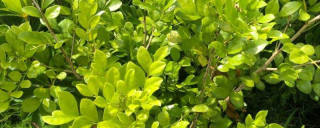
Hello there, dedicated gardener. I am your Greek oregano plant, a sun-loving perennial herb from the rocky hills of the Mediterranean. When my leaves turn yellow or I start to wilt, it's my way of communicating that my fundamental needs are not being met. Let me explain what these symptoms mean from my perspective.
When my vibrant green leaves begin to pale and turn yellow, it is a sign of significant distress. The most common reasons are related to water and nutrients.
First, and most critically, are my "feet" constantly wet? My roots need oxygen as much as they need water. If I am planted in a pot without a drainage hole or in heavy, compacted soil that stays soggy, my roots are essentially drowning. They begin to rot, becoming unable to absorb water or nutrients. This condition, root rot, manifests in my leaves as a generalized yellowing. Conversely, if I am severely dehydrated for a long period, I may also shed older leaves (turning them yellow first) to conserve what little moisture I have for new growth.
Secondly, yellowing can indicate a hunger for nitrogen. Nitrogen is the key element I use to build the chlorophyll that makes me green. If I have been growing in the same pot for years without fresh soil or fertilizer, my soil may be depleted. However, please do not over-fertilize me! I am adapted to lean, slightly infertile soils. A gentle, organic fertilizer applied sparingly is all I need.
Wilting is my most dramatic cry for help. It means my cells are losing turgor pressure—the water pressure that keeps me upright.
The simplest cause is a lack of water. On a hot, sunny day, I may transpire (lose water through my leaves) faster than my roots can absorb it, causing a temporary midday wilt. A deep, thorough watering should perk me up by evening. However, if I am still wilted in the cool of the morning, you have chronically underwatered me, and I am in serious trouble.
Paradoxically, the symptoms of overwatering can also include wilting. As mentioned before, soggy soil leads to root rot. If my roots are damaged and rotting, they cannot transport water to my stems and leaves, no matter how wet the soil is. So, I wilt because I am thirsty, even though I am standing in water. Always check the soil moisture an inch or two down before watering.
Beyond yellow leaves and wilting, other factors can compromise my health and flavor.
Insufficient Sunlight: I am a child of the sun. I crave at least six to eight hours of direct, bright light each day. If I am kept in a shady spot, I will become leggy—stretching out with long gaps between my leaves as I desperately reach for more light. My growth will be weak, and my aromatic oils, which give me my famous flavor, will be greatly diminished.
Lack of Pruning: If you never trim me back, I will become woody, overgrown, and unproductive. Regular harvesting or "pinching" of the stem tips encourages me to become bushy and full. It prevents me from flowering too early. While my flowers are attractive to bees, once I put energy into blooming, my leaf production and flavor intensity decline. Please keep harvesting my leaves to keep me in a vegetative state.
Pests like Aphids and Spider Mites: These tiny pests suck the sap from my tender new leaves, causing them to curl, stunt, and lose vitality. A strong spray of water can often dislodge them. I prefer this natural approach to harsh chemical sprays, which can harm the beneficial insects that help protect me.