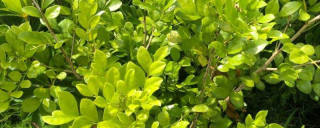
From my perspective as a Greek oregano plant (Origanum vulgare subsp. hirtum), the concept of growing without soil is not entirely foreign. My natural habitat consists of the well-draining, often rocky, sun-baked hillsides of the Mediterranean. My roots are adapted to seek moisture and nutrients efficiently without being waterlogged. In a hydroponic system, the constant access to a nutrient-rich water solution can feel like a permanent, perfect Mediterranean spring after the rains have passed. The key for me is oxygen; in soil, air pockets provide it, but in water, my roots need a highly oxygenated environment to avoid rot, which would be fatal. Therefore, a system that provides both moisture and air is ideal for my survival and prosperity.
To truly thrive in water, I have several non-negotiable needs. First and foremost is light. I am a sun-worshipper. I require at least 6 to 8 hours of strong, direct light daily to produce the potent aromatic oils—like carvacrol and thymol—that give me my distinctive, robust flavor. A south-facing window might suffice, but more likely, you will need to provide me with a high-quality full-spectrum grow light. Second is the nutrient solution. Plain water will not sustain me for long; it is like a human trying to live on water alone. I need a balanced, diluted hydroponic nutrient mix. However, be cautious—I am not a heavy feeder like a tomato plant. Too much nitrogen, for instance, will cause me to produce lush, green growth at the expense of my essential oil concentration, making my flavor weak and bland.
The most successful way to grow me hydroponically is not to submerge my entire root system permanently. A passive Kratky method or a simple Deep Water Culture (DWC) system can work if modified for aeration. A better approach is a drip system or a recirculating system that ensures my roots are intermittently or constantly exposed to both the nutrient solution and air. You can start me from a cutting. Take a healthy, non-flowering stem about 4-6 inches long, remove the leaves from the bottom nodes, and place the stem in a net pot filled with an inert medium like clay pebbles or rockwool. This medium will simply support my upright growth while allowing my young roots to easily penetrate down into the nutrient reservoir below.
Once established, my care is straightforward but requires vigilance. You must monitor the pH of the water solution regularly. I prefer a slightly acidic to neutral environment, with a pH between 6.0 and 7.0. An incorrect pH will lock up nutrients, leaving me unable to absorb them even if they are present, leading to deficiencies. The electrical conductivity (EC) of the solution, which measures nutrient strength, should be kept relatively low. Furthermore, the water temperature is critical; it should be kept cool, ideally between 65-70°F (18-21°C). Warm water holds less oxygen and can encourage root diseases. When it comes time to harvest, please do so thoughtfully. Prune me from the top, just above a set of leaf nodes. This encourages me to become bushier and more productive, rather than leggy. Regular harvesting actually stimulates my growth and oil production, ensuring a continuous supply of flavorful leaves for your culinary creations.