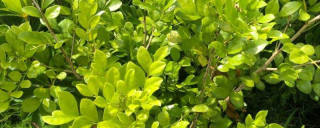
From a plant's perspective, Greek oregano (Origanum vulgare subsp. hirtum) is a hardy, sun-loving perennial herb. Its primary botanical drive is to thrive and reproduce. It possesses a dense, bushy growth habit with small, aromatic leaves. This aroma is not for our culinary pleasure but is a sophisticated chemical defense mechanism. The plant synthesizes volatile oils, primarily carvacrol and thymol, which are potent antifungal and antibacterial compounds. These oils deter a wide range of pests, including insects and nematodes, that might otherwise feed on its foliage or roots. Furthermore, its extensive, fibrous root system is highly efficient at securing water and nutrients from the soil, making it a resilient and somewhat competitive neighbor.
For a plant like Greek oregano, companionship is about creating a mutually supportive ecosystem. Its strong scent acts as a powerful olfactory mask, confusing pests that hunt by smell. This makes it an excellent companion for plants that are highly susceptible to insect attacks.
For instance, members of the Brassica family, such as broccoli, cabbage, and cauliflower, are often targeted by cabbage moths. When oregano grows nearby, its scent can help disguise the brassicas' scent, reducing egg-laying by the moths. Similarly, oregano can help protect cucumbers from cucumber beetles and squash from squash bugs. The oregano plant is not consciously "protecting" its neighbors; rather, its inherent defensive traits create a pest-suppressive zone. Additionally, when oregano flowers, it produces clusters of small white blossoms that are highly attractive to pollinators like bees and beneficial predatory insects like lacewings. These insects aid in the pollination of nearby fruiting plants like peppers and tomatoes, leading to better yields for the entire garden community.
Not all plant relationships are harmonious. From a botanical standpoint, Greek oregano can be a challenging neighbor for plants with different growth requirements or those that are easily outcompeted. Its vigorous, spreading nature can quickly overwhelm low-growing, delicate herbs. For example, it is generally considered a poor companion for mint, not due to chemical warfare (allelopathy), but because both are aggressive spreaders that will compete intensely for root space, water, and nutrients, potentially stunting each other.
More importantly, oregano requires full sun and well-drained soil. Planting it near species that need consistent moisture and partial shade, such as some basils or cilantro, would create an imbalance. The oregano would thrive in the dry conditions, while the moisture-loving plant would suffer. Similarly, it should be kept at a distance from plants that are heavy feeders, like corn, as the oregano's root system, while efficient, is not adapted to compete for large quantities of nutrients against such vigorous competitors.
The relationship a plant has with the soil is fundamental. Greek oregano's dense, low-growing foliage acts as a living mulch. This canopy shades the soil surface, helping to retain soil moisture and suppress the germination of annual weed seeds that would otherwise compete with garden plants for resources. From the perspective of the soil ecosystem, this is a significant benefit. Furthermore, as a perennial, its root system provides structure to the soil year after year, helping to prevent erosion. While not a heavy nitrogen fixer like legumes, the organic matter from its dropped leaves contributes to overall soil health as it decomposes, feeding the microbial life that all plants depend on for nutrient cycling.