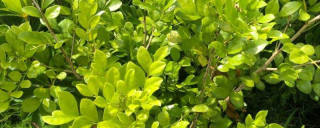
From a botanical perspective, the primary difference in cultivation begins with the plant's fundamental identity. The term "Greek oregano" almost always refers to the species Origanum vulgare subsp. hirtum. This subspecies is considered the true oregano, prized for its potent, pungent flavor. In contrast, the plant commonly labeled as "Italian oregano" in gardening circles is frequently not a pure oregano species. It is most often a hybrid or a cross between two different species: Origanum vulgare (common oregano) and Origanum majorana (sweet marjoram). This hybrid is scientifically known as Origanum × majoricum. This genetic distinction is the root cause of all subsequent differences in their growth habits, hardiness, and flavor profile.
The cultivation experience of these two plants differs noticeably in their appearance and growth patterns. Greek oregano (O. vulgare subsp. hirtum) is a hardy, woody-based perennial plant. It typically grows in a dense, low mound, reaching heights of about 12 to 18 inches (30-45 cm). Its stems are sturdy, and its small, oval leaves are a gray-green color covered in fine hairs, which give the plant a slightly fuzzy texture. Italian oregano (O. × majoricum), inheriting traits from marjoram, tends to have a slightly more sprawling or less rigid habit. Its leaves are often a brighter, lighter green and may be slightly larger and softer than those of Greek oregano. The plant is generally less woody and may behave as a tender perennial or an annual in colder climates.
This is a critical factor in cultivation planning. Greek oregano is exceptionally hardy. It thrives in USDA Plant Hardiness Zones 5 through 9 and can survive winters with temperatures dropping to -20°F (-29°C). Its natural adaptation to the dry, rocky hillsides of Greece makes it tolerant of both drought and cold. Italian oregano, with its marjoram lineage, is significantly less cold-tolerant. Marjoram is a tender perennial, and this sensitivity is passed to the hybrid. Italian oregano is best suited for Zones 7 through 9 and will often not survive a frost. In cooler regions, it is typically grown as an annual or overwintered indoors, whereas Greek oregano will reliably return year after year.
Both plants share a fundamental preference for Mediterranean growing conditions, but with subtle nuances. Both require full sun for optimal growth and oil production. They both demand exceptionally well-draining soil; poor drainage is a primary cause of failure, leading to root rot. They perform best in a slightly alkaline to neutral soil pH. The key difference lies in their tolerance for poor soil. Greek oregano is renowned for thriving in rocky, lean, and low-fertility soils. In fact, rich soil can diminish the potency of its essential oils. Italian oregano, while still needing good drainage, appreciates a moderately fertile soil more than its Greek counterpart. Regarding water, both are drought-tolerant once established, but Greek oregano is notably more resilient to prolonged dry spells.
The cultivation goal directly influences the choice between these plants. The intense, sharp, and peppery flavor of Greek oregano, with its high concentrations of carvacrol, is what most people associate with classic oregano taste. It stands up well to long cooking times, making it ideal for tomato sauces, grilled meats, and robust stews. Italian oregano, influenced by the sweeter, more floral notes of marjoram, has a more complex and milder flavor profile. It is less aggressive and is often preferred for more delicate dishes, such as dressings, light pasta sauces, and vegetables, where a harsh oregano flavor would be overpowering. Therefore, a gardener's culinary preference is a direct determinant in their cultivation choice.