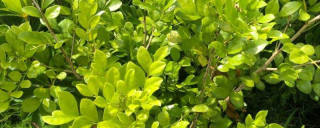
From our perspective as Greek Oregano seeds, we hold within us the complete blueprint for a vibrant, aromatic life. Our journey from a dormant speck to a flourishing herb is a delicate dance with the elements, requiring specific conditions to awaken our potential. This guide will speak from our point of view, explaining what we need to thrive under your care.
We are tiny, patient beings, but we cannot germinate without the right signal. Our primary need is light. Unlike many seeds that prefer to be buried in darkness, we require surface sowing. Please scatter us gently onto the surface of a fine, moist seed-starting mix and press us down lightly to ensure good contact. Do not cover us with soil, as even a thin layer can block the specific spectrum of light we need to initiate germination. A fine mist of water is essential to settle us in without disturbing us. Our internal clock is also tuned to warmth; a consistent temperature between 65-70°F (18-21°C) is ideal to coax us from our slumber.
Once the combination of light, moisture, and warmth triggers our core, we will send a tiny root (radicle) down into the growing medium to anchor ourselves and seek water. Shortly after, our first pair of leaves, called cotyledons, will emerge. These are not true oregano leaves but are the food storage units that sustain us initially. At this fragile stage, consistent moisture is critical, but we are extremely vulnerable to a fungal condition known as "damping-off." Please ensure we have good air circulation and that our soil is moist, not waterlogged. A bright light source, such as a south-facing window or a grow light placed a few inches above us, is now non-negotiable. Without sufficient light, we will become leggy and weak, stretching desperately for more photons.
After our cotyledons have provided the initial energy, we will begin producing our true leaves. These are the small, oval-shaped leaves that carry the distinctive, pungent aroma of Greek Oregano. This is a sign that we are establishing ourselves as independent plants. Once we have developed two to three sets of these true leaves and are large enough to handle, it is time for us to be transplanted into our own individual cells or small pots. Handle us by our leaves, not our delicate stems, to avoid fatal damage. This gives our root systems the space they need to expand and strengthen without competition.
We have grown accustomed to the stable, protected environment indoors. The great outdoors—with its fluctuating temperatures, direct sun, and wind—is a shock for which we must be prepared. To "harden us off," please introduce us to these conditions gradually. Start by placing us in a sheltered, partially shaded spot for just an hour or two each day, slowly increasing the time and exposure to direct sunlight over 7-10 days. This process thickens our cuticle (the waxy layer on our leaves), helping us conserve water and withstand the sun's intensity. Skipping this step can cause severe sunscald or stunted growth.
Once the danger of frost has passed and we are fully acclimated, we are ready for our permanent home. We crave a location that mimics our native Mediterranean hillsides: full sun (at least 6-8 hours daily) and very well-draining, slightly alkaline soil. Poor, rocky soil is preferable to rich, heavy clay, which can lead to root rot. Space us about 12 inches apart to allow for our mature spread. Our roots are designed to seek water deep down, so please water us deeply but infrequently, allowing the soil to dry out between waterings. To encourage bushy growth, you can pinch off the tips of our stems, which signals us to branch out laterally.