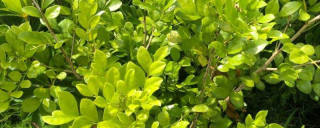
To understand the ideal conditions for Greek oregano (*Origanum vulgare* subsp. *hirtum*), one must first consider its native habitat. This perennial herb is indigenous to the hillsides and rocky, sun-drenched soils of the Mediterranean region. From the plant's perspective, this evolutionary background has hardwired it for a specific set of environmental conditions. It thrives in a climate characterized by long, hot, and dry summers, with mild, wet winters. The plant's entire physiology—from its root system to its leaf structure—is optimized for maximizing water uptake during brief rainy periods and conserving it during extended droughts. Therefore, the concepts of "ideal" temperature and humidity are intrinsically linked to replicating these arid, sunny conditions.
Temperature is a primary driver of a plant's metabolic processes, including photosynthesis, respiration, and the production of the essential oils that give oregano its distinctive aroma and flavor. For Greek oregano, the ideal temperature range for vigorous, healthy growth is between 21°C and 27°C (70°F and 80°F). Within this range, the plant's enzymatic activity is most efficient, promoting strong leafy growth. It is notably cold-hardy and can survive temperatures well below freezing, even as low as -10°C (14°F), by becoming dormant. However, growth ceases in these cold conditions. Conversely, while it can tolerate heat above 32°C (90°F), consistently high temperatures can induce heat stress, potentially causing the plant to flower prematurely or reducing the potency of its oils. The plant favors a significant diurnal temperature variation (the difference between day and night temperatures), which is common in its native habitat and contributes to robust health.
Perhaps even more critical than temperature for Greek oregano is humidity. The plant has an unequivocal preference for low to moderate humidity levels. High humidity is detrimental from the plant's perspective for several key reasons. Firstly, the small, slightly hairy leaves of oregano are adapted to minimize water loss, not to resist fungal pathogens. Humid, stagnant air creates a perfect environment for fungal diseases like powdery mildew and root rot, which can quickly devastate a plant. Secondly, high humidity can interfere with the plant's transpiration process—the movement of water and nutrients from roots to leaves. If the air is already saturated with moisture, this vital flow can slow down, leading to poor nutrient uptake and overall weakness. Therefore, excellent air circulation is non-negotiable, as it helps keep the leaf surface dry and disrupts spore settlement.
When grown outside its ideal humidity and temperature parameters, the plant sends clear distress signals. In high-humidity conditions, the first sign is often the appearance of a white, powdery coating on the leaves (powdery mildew), followed by yellowing or browning and leaf drop. The plant's growth becomes leggy and weak as it struggles. In conditions that are both too cold and too wet, the roots are highly susceptible to rot, which is often fatal. On the other hand, if the air is extremely dry and hot, the plant may conserve water by wilting temporarily during the hottest part of the day. While it is drought-tolerant, prolonged water stress will cause stunted growth, woody stems, and a significant reduction in leaf production. The essential oil content, which is the source of its flavor, may become more concentrated under mild stress, but severe stress diminishes the plant's overall vitality and oil production capacity.