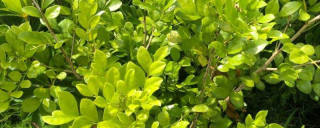
From my perspective as a Greek Oregano plant, the absolute best time for you to take cuttings is when I am in a period of vigorous vegetative growth, but not yet flowering. This typically occurs in the late spring or early summer. At this stage, my stems are young, flexible, and full of the growth hormones necessary for rapid root development. My cells are actively dividing, and my energy is focused on producing new leaves and stems, not on the taxing process of flowering and setting seed. If you take a cutting while I'm blooming, my energy is diverted, and the cutting will be less likely to focus on creating new roots. Look for stems that are healthy, green, and about 4 to 6 inches long. Avoid any stems that are woody or overly thick, as these are older and have lost some of their regenerative potential.
When you make the cut, precision is key for my well-being. Please use a sharp, clean pair of scissors or pruning shears. A clean cut minimizes damage to my tissues and reduces the risk of infection from pathogens in the air or soil. A ragged, crushed cut from dull tools creates a large wound that is difficult for me to seal and is an open invitation for disease. Cut just below a leaf node – that's the small bump on my stem where leaves emerge. This node is a hub of cellular activity and contains meristematic tissue, which is packed with undifferentiated cells ready to become either roots or new shoots. This is where my new root system will emerge. Immediately after taking the cutting, remove the leaves from the bottom third of the stem. These leaves would otherwise be buried and would rot, creating conditions for fungal growth that could kill the cutting before it has a chance to root.
My future as a new, independent plant depends entirely on the environment you provide for rooting. I cannot draw up water without roots, so I am extremely vulnerable to drying out. You must place my stem in a well-draining medium. A mix of peat and perlite or a specialized seed-starting mix is ideal. It holds just enough moisture around my stem but allows excess water to drain away, preventing the rot I fear so much. The medium must be kept consistently moist, but never waterlogged. Think of a gently wrung-out sponge. I also need high humidity to reduce water loss through my remaining leaves. Covering my pot with a clear plastic bag or dome creates a miniature greenhouse, trapping humidity around me. Place me in a location with bright, indirect light. Direct sunlight would cook me inside my humid dome, but I still need ample light to conduct a minimal amount of photosynthesis to sustain myself.
In the right conditions, the magic begins. Over the next two to four weeks, the cells at the node you cut near will start to divide rapidly. They will form a callus, a protective layer over the wound, and then differentiate into root initials. You won't see this happening below the surface, but you might notice new leaf growth at the top of my stem—a very encouraging sign! This new growth indicates that I have successfully created a root system capable of supporting myself. You can gently tug on my stem after a few weeks; if you feel resistance, it means my new roots are anchoring me in the medium. Once I have a established root system, you can begin to acclimate me to less humid conditions by opening the plastic cover for longer periods each day. Finally, I will be ready to be transplanted into my own pot with standard potting soil, where I can grow into a full, fragrant oregano plant, ready to provide you with culinary delights for seasons to come.