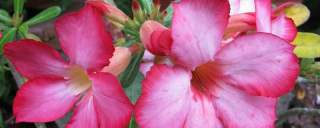
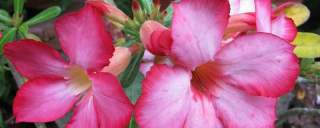
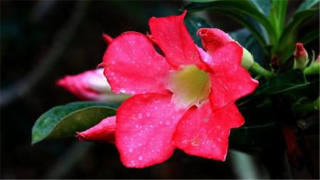
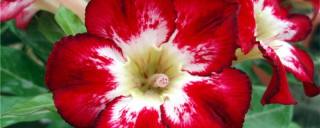
Hello! I am your new Desert Rose, a succulent plant native to arid regions of Africa and the Middle East. The journey from the nursery to your home has been a significant shock to my system. The light levels, temperature, and humidity are all different here. Please place me in a location with bright, indirect light for the first 7-10 days. Avoid placing me in direct, harsh sunlight immediately, as my leaves, which are adapted to a specific light intensity, can scorch. Similarly, hold off on watering me during this period. My roots need time to settle and any minor damage sustained during transit needs to callous over to prevent rot. This gentle introduction will help me transition without undue stress, allowing my metabolic processes to adjust to your specific environment.
Once I have acclimatized, I will thrive in the sunniest spot you can provide. As a sun-worshipping plant, my photosynthesis engine requires at least 6-8 hours of direct sunlight daily to produce strong, compact growth and abundant flowers. A south-facing window is ideal indoors; a sunny patio or balcony is perfect outdoors during warm months. My ideal temperature range is between 65°F and 90°F (18°C to 32°C). I am highly sensitive to cold. When temperatures consistently drop below 50°F (10°C), my growth will slow, and any exposure to frost will damage my tissues, potentially killing me. I must be brought indoors well before the first chill of autumn.
My most critical care aspect is watering. My large, bulbous caudex acts as a water reservoir, allowing me to withstand long periods of drought. The golden rule is to water me deeply, but infrequently. During the active growing season (spring and summer), water me only when the soil is completely dry. A good method is to insert your finger a few inches into the soil; if it feels dry, it's time for a thorough soak until water runs from the drainage holes. Then, allow all excess water to drain away completely. In the fall and winter, when I am dormant, my water needs plummet. You may only need to water me once a month or even less, just enough to prevent my caudex from shriveling excessively. Overwatering is the fastest way to harm me, as it leads to root rot, which attacks my root system and can be fatal.
My roots demand a well-draining soil mix that replicates my native, gritty habitat. A standard potting soil will retain too much moisture around my roots. Please pot me in a specialized cactus and succulent mix. For even better drainage, you can amend this mix with additional perlite, pumice, or coarse sand (a 50:50 ratio is excellent). Equally important is the pot itself. It must have ample drainage holes. A porous terracotta pot is an excellent choice because it allows the soil to dry out more evenly through evaporation from the pot's walls. When repotting me, which is only necessary every 2-3 years when I become pot-bound, choose a new pot that is only slightly larger than the previous one.
While I am not a heavy feeder, I do benefit from supplemental nutrition during my active growing period. A balanced, water-soluble fertilizer diluted to half-strength, or a fertilizer specifically formulated for flowering succulents, applied once a month in spring and summer will support healthy leaf growth and encourage my beautiful trumpet-shaped flowers. Please avoid high-nitrogen fertilizers, as they will promote excessive leafy growth at the expense of blooms. Do not fertilize me at all during my dormant period in the fall and winter. At that time, I am not actively growing and cannot use the nutrients, which would simply accumulate in the soil and potentially harm my roots.