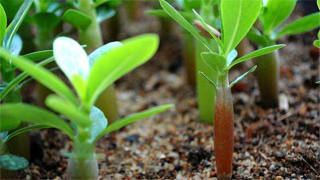
From my perspective, the most urgent signal I can send you comes from my root system, my lifeline. Down in the dark, moist soil, a quiet struggle is underway. My roots have completely filled the available space, circling the inside of the pot in a dense, tangled mat. They have nowhere else to go. You might notice this if you gently slide me out of my container; a solid mass of roots holding the shape of the pot is a definitive cry for help. In severe cases, you may even see roots poking out of the drainage holes at the bottom. This isn't me being adventurous; it's a desperate search for new territory and resources. When my roots are this congested, they can't effectively absorb water or nutrients, no matter how generously you feed me.
Have you noticed that my soil seems to dry out incredibly quickly, sometimes within a day or two of a thorough watering? This is a direct consequence of my root-bound condition. The pot is now mostly roots with very little soil left to act as a reservoir for moisture. The water you pour in simply rushes through the dense root ball and out the drainage holes, leaving my roots parched soon after. This constant cycle of flood and drought is stressful for me. It forces me to conserve water, often at the expense of my overall health and growth. I may start to wilt frequently, even when you feel you are watering me on a regular schedule. My pot feels unusually light for its size because it lacks the weight of moisture-retentive soil.
Above the soil, the signs of my distress become visible in my growth—or lack thereof. A pot that was once a perfect home has now become a prison, restricting my development. You may observe that my stems are not elongating as they should during the growing season. New leaves might be smaller, fewer, and farther between. The vibrant, lush appearance I once had may fade, and I might generally look stunted. All my energy is being diverted to simply sustaining the overcrowded root mass below, with little left over for putting on new growth above. If I'm not given more space, I will remain in this suspended state, unable to flourish and produce the beautiful blooms I am capable of.
When I am severely root-bound, my weakened state makes me vulnerable to other problems. The constant stress compromises my natural defenses. You might see my older leaves turning yellow and dropping off at an alarming rate. I might become more susceptible to pests, like spider mites or mealybugs, who are attracted to stressed plants. Furthermore, even with regular fertilization, I may show signs of nutrient deficiency, such as pale leaves or poor flowering. This is because the cramped, depleted root system cannot effectively take up the minerals you provide. The fertilizer salts can also build up in the small amount of remaining soil, potentially burning my delicate roots and compounding the problem.
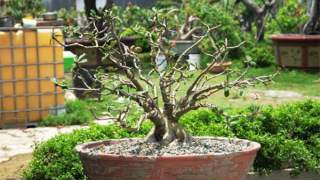
As my caudex (the swollen trunk base) and branches continue to develop, even slowly, I can become physically unstable in a pot that is too small. The root ball, being dense and compact, offers a poor anchor. You might find that I wobble easily or even tip over with a slight nudge. This is not only a nuisance for you but also dangerous for me. A fall can break my stems or damage my caudex, creating wounds that are entry points for disease. A larger, heavier pot with fresh soil will provide a much more stable foundation, allowing me to stand tall and secure as I grow.