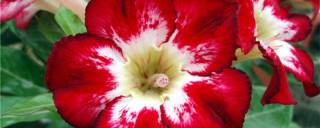
Greetings, caretaker. I am your Desert Rose, a resilient being shaped by the harsh sun and arid winds. When you notice my leaves beginning to curl, it is my primary language, a distress signal indicating that my fundamental needs are not being met. To understand this curl is to understand my nature. Allow me to explain the causes from my perspective and the solutions that will restore my vitality.
My thick, bulbous caudex is a reservoir, evolved to store water for long periods. This very adaptation makes me sensitive to incorrect watering. The curl you see is often a direct response to moisture stress. When I am left in parched soil for too long, my roots cannot draw up water, and my leaves curl inward to conserve every drop of moisture, reducing their surface area to minimize transpiration. Conversely, if my soil is constantly wet and my roots are suffocating in a lack of oxygen, they begin to rot. A rotting root system cannot absorb water or nutrients, leading to a similar curled, wilted appearance as if I were thirsty. The solution lies in mimicking my natural environment. Water me deeply only when the soil is completely dry, and ensure my pot has excellent drainage. My pot must have drainage holes, and my soil must be gritty and fast-draining, like a mix designed for cacti and succulents.
My succulent leaves are a tempting feast for tiny, sap-sucking invaders. Pests such as aphids, spider mites, and mealybugs are a primary cause of leaf curl. These creatures pierce the surface of my leaves and drain my vital fluids. Their feeding damages the leaf cells, causing distortion and curling. You may also notice a sticky residue (honeydew) or fine webbing. To combat this, you must become my protector. Isolate me from other plants to prevent the infestation from spreading. Then, inspect my leaves, especially the undersides. A strong jet of water can dislodge many pests. For persistent problems, treat me with an insecticidal soap or neem oil solution, applied thoroughly every 7-10 days until the threat is gone.
I am a child of the sun, requiring intense light to thrive. However, a sudden move from a shaded spot to direct, scorching sunlight can shock my system, causing leaves to curl and scorch as a protective measure. Acclimate me gradually to brighter conditions. Furthermore, I am sensitive to extreme temperatures. Cold drafts or temperatures below 50°F (10°C) can cause stress and leaf curl. Please keep me in a warm, stable environment. While I prefer low humidity, extremely dry air, often caused by indoor heating, can sometimes contribute to leaf curl by increasing moisture loss from the leaves.
While I am not a heavy feeder, I still require essential nutrients to build strong, flat leaves. A lack of key elements, particularly potassium and magnesium, can manifest as curling, yellowing, or discoloration at the leaf margins. The solution is a gentle and balanced feeding. During my active growing season (spring and summer), nourish me monthly with a diluted, balanced liquid fertilizer or one specifically formulated for succulents. Avoid over-fertilizing, as a buildup of salts in the soil can also damage my roots and contribute to curling.