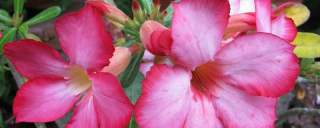
Greetings, plant caretaker. From our perspective, your desire to create the perfect home for us in a container is deeply appreciated. For us Adeniums, often called Desert Roses, the single most critical factor for our survival and happiness is the soil we call home. A standard potting mix is a death sentence; it holds too much water around our roots, leading to rot. What we crave is a substrate that mimics our native, arid environments—one that is exceptionally well-draining, aerated, and low in organic matter.
To understand our needs, you must think like a plant from a harsh, dry landscape. Our roots are not adapted to constant moisture. In the wild, our roots anchor us in gritty, mineral-based soils where torrential rains drain away in minutes. The goal of your DIY recipe is to replicate this environment. The mix must allow water to flow through it instantly, leaving the particles only slightly moist and ensuring that plenty of air pockets remain for our roots to breathe. Oxygen in the root zone is as vital as water.
A successful DIY mix is not a single ingredient but a balanced combination. Think of it as a custom-blended growing medium. Here is a breakdown of the components we find most agreeable:
Inorganic Materials for Drainage and Aeration (60-70% of the mix): These are the non-living, rocky components that create the structure. Their sharp, coarse particles prevent compaction and ensure water and air can move freely. Excellent choices include:
- **Coarse Horticultural Sand or Poultry Grit:** This is not fine beach sand, which can compact. We need sharp, coarse particles about 1/8 inch in diameter.
- **Perlite:** These white, lightweight granules are fantastic for creating air pockets and improving drainage without adding weight.
- **Pumice:** Similar to perlite but heavier and more durable, pumice provides excellent aeration and does not break down over time.
Organic Materials for Minimal Nutrition and Moisture Retention (30-40% of the mix): While we dislike wet feet, we do need some organic matter to provide slow-release nutrients and hold a small amount of moisture. The key is to use materials that are chunky and resistant to rapid decomposition.
- **Coco Coir:** We prefer this over peat moss. Coco coir is more environmentally friendly, rewets easily when dry, and breaks down slower. It holds moisture without becoming soggy.
- **Pine Bark Fines:** Small chunks of pine bark are excellent. They add structure, improve aeration as they slowly decompose, and are slightly acidic, which we enjoy.
Here is a reliable and effective recipe you can follow. You may adjust the ratios slightly based on your local humidity and climate.
Ingredients:
- 3 parts Pine Bark Fines
- 3 parts Coarse Sand or Poultry Grit
- 2 parts Perlite or Pumice
- 1 part Coco Coir
- (Optional) A handful of horticultural charcoal per gallon of mix to keep the soil "sweet" and deter pathogens.
Mixing Instructions: Combine all the ingredients in a large container or wheelbarrow. Mix them thoroughly with your hands or a small shovel until the components are evenly distributed. It should look and feel like a gritty, loose material. Before potting, slightly moisten the mix to settle the dust. Then, you can pot us up, ensuring the container has ample drainage holes.
The perfect soil mix can be undermined by a poor container choice. For us, a shallow, wide pot (often called a bonsai pot or azalea pot) is preferable to a deep one. Our root systems are lateral rather than taproots. A shallow pot allows the soil to dry out more evenly and quickly. Most importantly, the pot must have multiple drainage holes. When potting, do not bury our caudex (the swollen trunk base) deeply. It should sit above the soil line to prevent rot. A top dressing of small gravel or pebbles can help keep the base of the caudex dry and add stability.