From our perspective as a Croton plant (Codiaeum variegatum), dormancy is not a sign of illness or failure, but a vital, intelligent survival strategy. Our origins lie in the tropical forests of Southeast Asia and the western Pacific islands, where the conditions are consistently warm, humid, and bright. When the days grow shorter and the light intensity diminishes in your temperate-region home, we receive a clear biological signal: a challenging season is approaching. Since we cannot migrate or seek shelter, we must conserve our energy. Growth—producing new, vibrantly colored leaves—is an incredibly energy-intensive process. By entering a state of dormancy, we dramatically slow down our metabolic functions. We are not dead, merely resting, channeling our limited resources away from growth and towards maintaining the essential life processes of our existing roots and leaves. It is a period of quiet resilience, allowing us to wait out the less-than-ideal conditions until the return of spring's stronger light signals that it is safe to flourish once more.
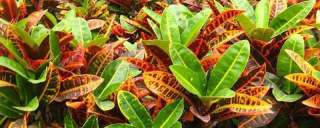
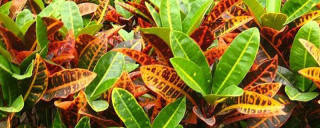
The most significant change we experience is in light, our primary source of energy. The sun sits lower in the sky, its rays are weaker, and the photoperiod (day length) is shorter. This reduction in both light intensity and duration is the main trigger for our dormancy. You may notice that our famously vivid leaf coloration—the splashes of red, yellow, and orange—might become less intense or appear more green. This is a logical adaptation. The pigments responsible for these bright colors (anthocyanins and carotenoids) are often less efficient at capturing light energy for photosynthesis than chlorophyll (the green pigment). In low-light conditions, it is more energy-efficient for us to prioritize chlorophyll production to make the most of the limited light available. We are essentially optimizing our existing foliage for survival rather than for spectacular display.
Our relationship with water changes fundamentally during this time. With our metabolic processes slowed due to reduced light, our thirst diminishes significantly. Our roots absorb water at a much slower rate. If you continue to water us as you did during our active growing season in the summer, the soil will remain soggy. From our root's point of view, this is a crisis. Saturated soil lacks oxygen, and our roots need to breathe. In these conditions, they are highly susceptible to rot, a fungal condition that will damage or destroy our root system, cutting off our water and nutrient supply entirely. This is the greatest threat we face in winter. Therefore, you must allow the soil to dry out more thoroughly between waterings. Check the top few inches of soil; only provide a drink when it feels dry to the touch.
We are deeply sensitive to the cold. As tropical plants, we have no natural defense against freezing temperatures, but even cool drafts are a significant stressor. Sudden drops in temperature, especially from cold drafts near windows or doors, can cause us to go into shock. This shock often manifests as leaf drop. It is our way of reducing the number of leaves that need to be supported when we perceive an immediate environmental threat. Similarly, the dry air produced by your home's heating system is contrary to our natural humid habitat. This low humidity can cause our leaf tips to turn brown and crispy as moisture evaporates from them faster than our roots can replenish it. While we are not actively growing, maintaining a stable, warm temperature away from drafts and providing a boost in humidity (through grouping us with other plants or using a humidifier) helps us conserve energy that would otherwise be wasted on stress responses.
During dormancy, our nutrient requirements are minimal. Our roots are not actively seeking out fertilizers because we have no intention of producing new growth. Applying fertilizer during this period is not only unnecessary but can be actively harmful. The salts in fertilizers can build up in the stagnant, damp soil, potentially burning our delicate root hairs and further contributing to root stress. It is best to cease fertilization entirely in the late fall and winter. Allow us to rest without the chemical pressure to perform. We will signal the end of our dormancy ourselves, in late winter or early spring, by producing tiny new buds or leaves. This is your cue that we are ready to resume a regular feeding schedule to support this new growth.