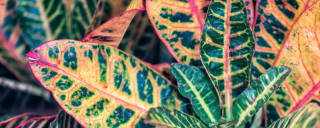
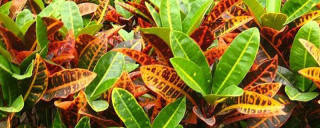
Croton plants, known scientifically as Codiaeum variegatum, are prized for their stunningly vibrant and leathery leaves, which display a dramatic mosaic of colors including red, yellow, orange, and deep green. Belonging to the Euphorbiaceae family, or spurge family, they are tropical evergreen shrubs native to Southeast Asia and the western Pacific islands. As houseplants, they are valued for their dramatic, ornamental foliage that adds a bold, tropical accent to indoor spaces. However, their membership in the Euphorbiaceae family is a critical piece of information for pet owners, as this plant family is notorious for containing species with toxic properties.
The primary irritant found in Croton plants is a milky, white sap that is present throughout its structure—in the stems, leaves, and even the roots. This sap contains chemical compounds known as diterpene esters, specifically 5-deoxyingenol. When the plant is damaged, chewed, or broken, this sap is released. For cats and dogs, contact with this sap is the source of the problem. The sap serves as a natural defense mechanism for the plant against herbivores in its native environment, but it becomes a significant hazard for curious household pets. The toxicity level is generally considered mild to moderate, but the effects can be intensely uncomfortable and distressing for the animal.
Exposure for pets happens most commonly through oral contact. A cat may chew on the attractive, dangling leaves, or a puppy might mouth the stem during exploration. Even gentle nibbling can rupture the plant's cells and release the toxic sap. Furthermore, dermal (skin) contact is another route of exposure. If a pet brushes against a broken stem or leaf and the sap gets on their fur, it can cause skin irritation. They can then inadvertently ingest the toxin while grooming themselves, transferring the irritant to their mouth, tongue, and gastrointestinal tract. It is important to note that simply brushing against an intact leaf is unlikely to cause a reaction; the plant must be damaged to release the sap.
From the plant's defensive standpoint, the diterpene esters in the sap are designed to cause immediate discomfort to deter further consumption. When this sap comes into contact with the soft tissues of a pet's mouth, it acts as a potent irritant. This leads to symptoms such as excessive drooling, pawing at the mouth, and vomiting. If the sap is swallowed, it continues to irritate the lining of the esophagus and stomach, potentially causing diarrhea. If the sap makes contact with the skin, it can cause redness, itching, and dermatitis. In rare cases of significant ingestion, more severe symptoms like lethargy or loss of appetite may occur. The plant's defense mechanism, while effective in the wild, creates a painful experience for a domestic pet.
For pet owners who wish to maintain a green home without the risk, numerous non-toxic plants offer similar aesthetic appeal. Instead of the colorful but risky Croton, consider plants from botanically safer families. The prayer plant (Maranta leuconeura) offers beautifully patterned leaves. Peperomias, such as the watermelon peperomia, provide interesting foliage in various shapes and colors. Spider plants (Chlorophytum comosum) are excellent, resilient options that are safe for both cats and dogs. Boston ferns and certain palms, like the parlor palm, can add lush, tropical greenery without the associated toxicity of the Euphorbiaceae family. Choosing these alternatives ensures that the home remains a safe and beautiful environment for all inhabitants.