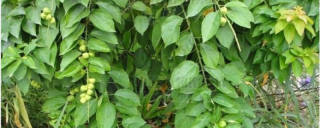
From my perspective as a Croton plant, the act of pruning and shaping is not an attack but a conversation. It is a signal that you, my caretaker, are listening to my needs and helping me achieve my full, vibrant potential. I am a creature of light and structure, and when you prune me correctly, I respond with a burst of energy and bushier, more magnificent foliage. Here is how we can work together.
To understand why pruning works, you must first understand my natural inclination. In my native habitat, I grow upwards towards the sun, aiming to outcompete neighboring plants. This often results in a single, tall stem with leaves mostly at the top—a habit that can look leggy and sparse in a pot. Each leaf node (the point where a leaf stem attaches to my main branch) contains a dormant bud. These buds are waiting for a signal to grow. When you remove the tip of a stem, you eliminate the source of auxins, hormones that suppress the growth of these lateral buds. With that suppression gone, the buds below the cut awaken, and I channel my energy into producing two, three, or even more new branches from that single point. This is the fundamental secret to bushier growth.
Timing is crucial for my well-being. The best time for a major pruning session is in the spring or early summer. This is when my sap is running strong, the days are lengthening, and I am entering my peak growing season. I have the maximum energy to heal the wounds you create and to push out the vigorous new growth you desire. While you can do light pinching throughout the active growing season, avoid major pruning in the fall and winter. During this time, my growth slows, and I am more vulnerable. A significant cut could lead to slow healing and stress, making me susceptible to pests or disease.
Please, be gentle and precise. Use sharp, clean pruning shears or scissors. Blunt tools will crush my stems, creating ragged wounds that are slow to heal and can invite infection. Before you begin, wipe the blades with rubbing alcohol. This simple step prevents accidentally transferring any pathogens from other plants to my fresh cuts. I will thank you for this cleanliness with swift healing.
Let's begin our shaping session. First, stand back and observe my overall form. Identify the stems that are excessively long, leggy, or growing in an undesirable direction. Locate a leaf node facing the direction you'd like new growth to emerge. About a quarter to a half-inch above that node, make a clean, angled cut. The angle helps shed water away from the vulnerable bud. Don't be timid; removing up to one-third of a stem's length is perfectly acceptable and will encourage a strong response. For a denser overall shape, you can also pinch off the very tiny, newest set of leaves at the tip of a stem using your thumb and forefinger. This milder action achieves the same goal on a smaller scale, encouraging branching without removing large sections.
After you have pruned me, I will need your support to make the most of this new direction. Place me in a location with plenty of bright, indirect light. This is the fuel for the new growth you want. Water me consistently, allowing the top inch of soil to dry out between waterings. Stress from underwatering will hinder my ability to produce new shoots. About a month after pruning, you can offer me a balanced, water-soluble fertilizer. This provides the essential nutrients to build strong new stems and leaves, ensuring they develop the deep, vibrant colors I am known for. Within a few weeks, you should see tiny new buds swelling at the leaf nodes below your cuts, a sure sign our collaboration is a success.