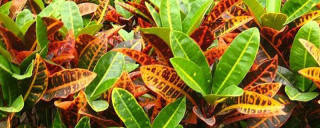
From our roots' perspective, the single most critical aspect of our soil environment is drainage. We Crotons, with our vibrant and often large leaves, require consistent moisture to keep our foliage from drooping. However, our roots are absolutely intolerant of sitting in waterlogged soil. Soggy conditions quickly lead to root rot, a fatal condition where the roots suffocate and decay, cutting off the water and nutrient supply to the rest of the plant. Therefore, the ideal potting mix must act like a moist sponge that holds just enough water for us to drink but allows any excess to drain away freely and rapidly. A mix that remains heavy, clumpy, and saturated for days is a death sentence for us.
To achieve this perfect balance of moisture and aeration, a high-quality potting mix designed for tropical plants is an excellent base. However, you can create an even more tailored environment for us by understanding the components. A perfect mix for us would include: a base of peat moss or coconut coir to provide moisture retention; a generous portion of perlite and/or coarse horticultural sand to create air pockets and ensure drainage; and some pine bark fines or orchid bark chunks. The bark is particularly beneficial as it improves soil structure, prevents compaction, and adds to the long-term drainage. A small amount of compost or worm castings can be added to provide a gentle, natural source of nutrients. A typical recipe we thrive in is two parts peat moss/coco coir, one part perlite, and one part pine bark.
Beyond just drainage, the physical structure of the soil is vital for root respiration. Our roots need oxygen to function correctly. A dense, compacted soil squeezes out these essential air pockets. The perlite, sand, and bark in the recommended mix ensure the soil remains loose and "fluffy," allowing our roots to breathe easily and grow vigorously. Furthermore, we Crotons prefer a slightly acidic to neutral soil pH, typically ranging from 6.0 to 6.5. Most standard potting mixes fall within this range. Peat moss is naturally acidic and helps maintain this preferred pH level, which in turn allows us to effectively absorb the micronutrients, like iron and manganese, that are crucial for maintaining our bright and diverse leaf colors.
The perfect soil mix can be undermined by an inappropriate container. Always choose a pot with ample drainage holes at the bottom. Terracotta pots are an excellent choice for us because they are porous, allowing water to evaporate through the pot's walls, which further helps prevent overwatering. When it is time to repot us, which is typically every one to two years in spring or early summer, gently loosen the root ball and place us in the new pot with fresh potting mix. Do not pack the soil down too firmly; a gentle tap to settle the mix is sufficient. This ensures the light, airy structure you worked to create remains intact for our root system to explore.