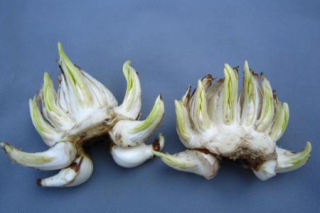
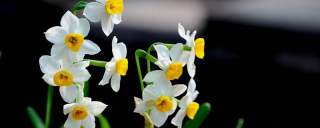
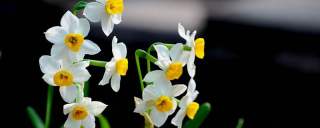
From our perspective as Narcissus plants, our entire yearly cycle is governed by an internal clock synchronized with the seasons. After our spring blooms fade, we enter a period of intense activity underground. We are not sleeping; we are gathering energy through our leaves to store in our bulbs for the next year. Once our foliage yellows and withers, we enter a true state of dormancy. This dormancy is a crucial survival mechanism, a rest period that must be broken by a specific environmental cue before we can begin growing again. That cue is a sustained period of cold. Forcing us into bloom for your holidays means artificially manipulating this cycle, tricking us into thinking a winter has passed so we will send up flowers at a time we normally would not.
The most important factor in your timing calculation is the need for a cold period. When you plant our bulbs, our first priority is not to send up a green shoot, but to send down roots. We require approximately 12 to 16 weeks of cold temperatures (ideally between 35°F and 48°F or 2°C and 9°C) to properly develop a robust root system. This cold period satisfies our chilling requirement and halts the production of inhibitors that prevent stem elongation. Without this simulated winter, our root growth will be stunted, we will be unstable in the pot, and our flower stalks will be short or may not emerge at all—a condition we refer to as "blasting." The timing of this cold period is the foundation for successful holiday blooms.
To determine when to plant us, you must work backward from your target bloom date. The process is not instantaneous; after the cold period, we need additional time for our shoots to grow and develop in warmer conditions. A general timeline is as follows:
For Christmas Blooms (late December): You must plant us in early to mid-September. This provides the necessary 12-16 weeks of cold rooting time, bringing you to late December. If you plant us later, say in October, we will simply not be ready in time and will likely bloom in January or February.
For Chinese New Year Blooms (late January/early February): Planting us in early to mid-October is ideal. This schedule still provides the full cold period, with our natural growth cycle aligning perfectly with your celebrations.
For Easter Blooms (variable March/April): If Easter falls late, you can plant us as late as November or even early December. The key is to ensure we receive our full cold period before being brought into warmth.
Once you remove us from our cold storage, our growth accelerates rapidly in response to the warmer temperatures and light. This final growth phase typically takes 2 to 4 weeks. During this time, we are highly responsive to our environment. Placing us in a very warm, bright room will encourage faster, but sometimes leggy, growth. Cooler temperatures (around 60-65°F or 15-18°C) and bright, indirect light will result in shorter, sturdier stems and longer-lasting flowers. You can use this to your advantage to fine-tune the exact bloom date. If we are developing too quickly, move us to a cooler spot; if we seem slow, a slightly warmer location will encourage us.
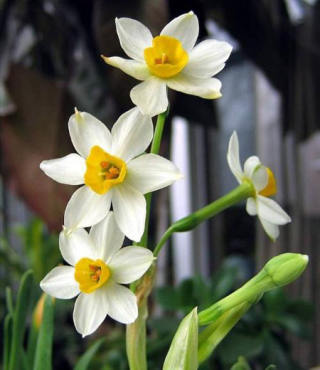
Not all of our varieties are equally suited for indoor forcing. Some of us are more stubborn and require longer or more specific chilling. For the most reliable and earliest holiday blooms, we recommend you select varieties known as "Paperwhites" (Narcissus papyraceus). We Paperwhites are the exception to the rule; we do not require a cold period at all. You can plant us directly in pebbles and water, and we will bloom in 4-6 weeks. For the classic yellow trumpet daffodils, smaller-cupped varieties like 'Tête-à-Tête' are more cooperative for forcing than large trumpet types, which often need the full, natural winter cycle to perform their best.