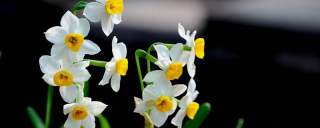
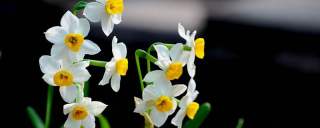
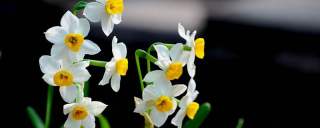
Narcissus, a genus encompassing the beloved daffodils and paperwhites, are cherished for their vibrant, often fragrant, blooms that bring a touch of spring indoors. To understand their light requirements, we must consider their natural lifecycle and physiological needs. From the plant's perspective, the answer is nuanced, revolving around the critical distinction between the growth phase and the flowering phase.
After you first plant your narcissus bulb in water or soil, its primary mission is to establish a robust root system. During this initial stage, which typically lasts a few weeks, the plant's energy is directed downward. Intense, direct sunlight is not a friend to the bulb at this point. Placing the pot in full, hot sun can cause the container and the water or soil to overheat, potentially damaging the nascent roots and stressing the bulb. Furthermore, before significant leaf growth, direct sun can scorch the bulb itself. The ideal location from the plant's perspective is a spot with bright, but indirect, light. A cool, well-lit windowsill that doesn't receive the harsh afternoon sun is perfect. This provides sufficient light energy to support early shoot development without the risk of thermal stress, allowing the roots to anchor and develop efficiently.
Once the green shoots have emerged and the flower bud is clearly developing within the sheath, the plant's needs shift dramatically. This is the flowering phase, and for narcissus, it is a high-energy endeavor. To produce strong, upright stems and vibrant, long-lasting flowers, the plant requires a significant amount of photosynthetic energy. From the plant's perspective, this energy is generated in the leaves through photosynthesis, a process directly fueled by light. At this stage, full sun is highly beneficial. Placing the plant in a south-facing window where it can receive at least 6 hours of direct sunlight is ideal. The ample light ensures the leaves can produce ample sugars, which power the development and sustenance of the spectacular blooms. Without sufficient direct light during this phase, the plant may become etiolated—stretching weakly with pale leaves—in a desperate search for photons. The flower stalks may be floppy, the blooms may be smaller, and the overall display will be less vigorous.
A discussion of light for indoor narcissus is incomplete without addressing temperature, as the two are intimately linked in the plant's physiology. Narcissus bulbs have an innate requirement for a cool period to initiate flowering. Even indoors, maintaining a cool environment is crucial. While the plant desires full sun during flowering, it does not desire the high heat that can sometimes accompany it. From the plant's perspective, the ideal condition is bright, direct light with cool ambient air temperatures (ideally between 50-65°F or 10-18°C). Excessive heat, even in a sunny window, will accelerate the entire metabolic process, leading to shortened bloom time and rapid senescence. Therefore, the best practice is to provide maximum light while ensuring the room remains cool, especially at night. This combination allows the plant to maximize photosynthesis without being rushed through its life cycle.
For most indoor narcissus, which are "forced" to bloom out of their natural season, the post-bloom period is the end of their indoor lifecycle. These bulbs have typically exhausted their stored energy reserves to produce the flower and will not re-bloom indoors. However, from a purely botanical standpoint, if one wished to attempt rejuvenating the bulb, light would remain critical. After the flowers fade, the leaves should be kept in the sunniest spot possible and allowed to photosynthesize until they yellow and wither naturally. This process allows the plant to generate and send some energy back to the bulb for storage, though success in re-flowering is generally low for forced bulbs.