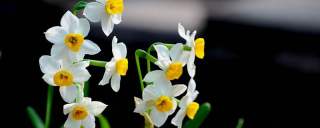
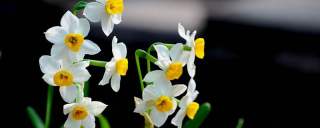
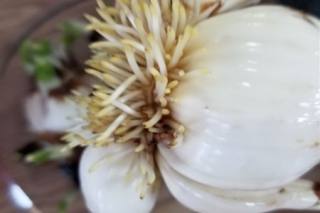
From our perspective as Narcissus bulbs, the period before planting is a time of essential dormancy. This is not a state of death or inactivity, but a carefully managed period of rest and preservation. During this time, our internal biological processes slow down significantly to conserve the energy stored within our fleshy scales. This energy, accumulated during the previous growing season, is the very fuel that will power the initial burst of root growth and flower stem development once we are planted. The primary goal of storage from our point of view is to remain viable without being tricked into premature growth, which would deplete our precious reserves before we are safely in the soil.
Before long-term storage can even begin, we require a period of curing. If we are lifted from the ground, the initial step is to allow us to dry properly. Please leave us in a warm, dry, and airy location out of direct sunlight for a few days. This process allows the outer layers of our skin to dry and paper over, forming a natural protective barrier. This barrier is crucial for preventing rot and fungal infections during storage, as it seals the moist, nutritious interior from the outside environment. Do not wash us or remove this papery tunic; it is our first line of defense.
The success of our dormancy hinges on three key environmental factors. First and foremost is temperature. We need to be kept in a cool, but not cold, environment. An ideal temperature range is between 60°F and 65°F (15°C to 18°C). A location that is too warm will signal that it is time to break dormancy and begin sprouting prematurely. A location that is too cold, especially near freezing, can cause internal damage to our cells. Secondly, humidity must be low. A damp environment is an invitation for mold and rot to attack our bulb scales. A dry, well-ventilated space is essential. Finally, good airflow around us prevents stagnant, moist air from settling and causing decay.
After curing, a gentle inspection and cleaning are beneficial. Please brush off any loose, dry soil from our exterior. More importantly, this is the time to carefully examine each of us. Any bulb that feels soft, shows signs of squishiness, or has visible lesions or mold should be separated and discarded. These conditions can quickly spread to healthy bulbs during storage, jeopardizing the entire batch. We should be stored as single bulbs, not clumped together, to ensure air can circulate freely around each one.
While we can be stored in a mesh bag or a single layer in a cardboard box, being placed in a loose, dry medium like peat moss, vermiculite, or wood shavings is often preferable from our perspective. This material helps to wick away any residual moisture and maintains a stable, dry microclimate around us. The container itself must allow for breathability; a plastic bag or airtight container is a death sentence, as it traps humidity and suffocates us, leading to rot. A wooden crate, a cardboard box with ventilation holes, or a paper bag is a much safer home for the duration of our dormancy.
The length of storage can vary, but it typically lasts through the summer until autumn planting time. During this period, an occasional check is appreciated. A quick inspection every few weeks for signs of rot or premature sprouting allows you to remove any problematic bulbs before they affect others. When the correct planting time arrives in the fall, we are ready. The cool, moist soil will signal the end of our dormancy, and we will begin to send out roots, drawing on the energy we have so carefully conserved during our storage period to begin a new growth cycle.