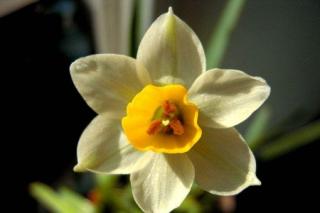
From my perspective as a Narcissus plant, the yellowing of my leaves is, first and foremost, a natural and essential process called senescence. After the magnificent energy expenditure of flowering, my primary biological mission—reproduction—is complete. The bulb beneath the soil is my true, perennial self, a stored energy reserve. The leaves above ground are solar panels, tasked with photosynthesis to replenish the bulb after the flowering effort. Once this replenishment is sufficiently advanced, conserving resources becomes paramount. The green chlorophyll in my leaves, which is metabolically expensive to maintain, is broken down. As the green pigment fades, the yellow carotenoid pigments that were always present become visible. This is not a sign of illness but of a job well done; I am preparing for a period of dormancy to survive the upcoming season when conditions are less favorable for growth.
If my leaves turn yellow prematurely, *before* or during flowering, this is a clear signal of environmental stress. I am communicating that my basic needs are not being met. The most common issues are related to light, water, and temperature. If I am placed in an area with insufficient light, my photosynthetic efficiency plummets. My system determines that maintaining the large, energy-consuming leaves is no longer viable, and I begin to senesce early to salvage resources for the bulb. Conversely, excessive direct, hot sunlight can scorch my tissues, causing a rapid yellowing and browning as the cellular structures are damaged beyond repair.
My relationship with water is particularly delicate. As a bulb, I am highly susceptible to rot. If I am sitting in stagnant, waterlogged conditions, my roots and basal plate begin to suffocate and decay due to a lack of oxygen. This root damage prevents the uptake of water and nutrients, causing my leaves to yellow, wilt, and collapse from the base upwards—a classic symptom of root rot. The opposite extreme, underwatering, causes a different kind of stress. Without a consistent water supply, I cannot transport nutrients or maintain turgor pressure in my cells, leading to dry, crispy, yellow leaves. Furthermore, the water I am grown in, typically plain tap water, lacks the essential nutrients I would normally draw from soil. A prolonged absence of key elements like nitrogen can lead to chlorosis (yellowing) as I am unable to produce sufficient chlorophyll.
It is important to understand the context of my life when I am grown indoors. I have been "forced" into bloom out of my natural season. This process is incredibly taxing on my bulb's energy reserves. The environment inside a home—with its dry air, inconsistent light, and warm temperatures—is far from my ideal native habitat. Therefore, some degree of leaf yellowing after blooming is almost inevitable and should be expected. It is a reflection of the immense physiological effort I have undergone. The best course of action is to continue providing me with bright, indirect light and regular water until the leaves die back completely, allowing me to store as much energy as possible back into the bulb for potential future growth.