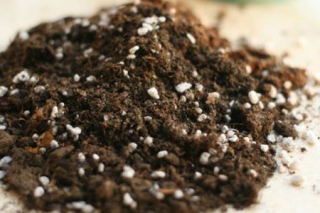
From my perspective, a Narcissus bulb, nothing is more distressing than being constantly waterlogged. My roots, which are designed to seek out moisture and nutrients, need to breathe. When I am overwatered, the air pockets in the soil around me are filled with water, effectively suffocating my root system. You will first notice this distress below the surface. My roots will become soft, mushy, and turn a dark, unhealthy brown or black instead of a firm, creamy white. They may even emit a foul, rotting smell. This condition, often called root rot, is a death sentence if not corrected, as I can no longer absorb water or nutrients effectively.
Above the soil, my foliage will tell a similar story. My leaves will appear limp, yellow, and unusually soft. They may feel soggy to the touch rather than turgid and upright. In severe cases, the base of my leaves and the neck of the bulb itself will become soft and may rot, causing me to topple over. You might also notice a lack of progress; my flower bud may abort, turn brown, and fail to open. If you see mold or fungus gnats hovering around my pot, these are clear external indicators that my environment is far too wet for my liking.
While I do not appreciate soggy feet, I am equally vocal about being deprived of water. My entire growth cycle, especially during the flowering period, is driven by the moisture stored in my bulb and the water I can draw from my environment. When I am underwatered, my growth becomes stunted. You will notice that my leaves are dry, crispy, and have brown tips that feel like paper. They may also curl or wilt dramatically, looking lifeless and dull. Unlike the generalized yellowing of overwatering, the browning from thirst is often concentrated at the leaf tips and edges first.
My most dramatic protest against drought will be seen in my flower. The bud may dry up and fail to open, a condition known as "blasting." If I do manage to produce a flower, it will likely be smaller than normal, short-lived, and the stems may be weak and unable to support the bloom's weight. The soil will pull away from the sides of the pot, and the entire container will feel suspiciously light. Remember, I am mostly water, and without a consistent supply, I cannot maintain my structure or complete my beautiful, yet brief, display.
As a Narcissus, my watering needs are specific and change with my stage of life. When you first plant me, I require a good, thorough watering to settle the soil and stimulate my roots to grow. After that initial drink, I prefer a "soak and dry" approach. Please water me deeply until water runs freely from the drainage holes, then allow the top inch or so of the soil to dry out before watering again. I enjoy consistently moist but never soggy conditions. A good way to check is to stick your finger into the soil; if it feels dry at your fingertip, it is time for a drink.
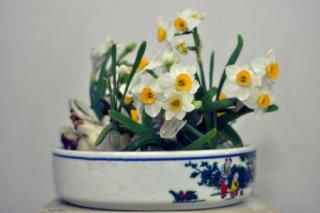
My needs are also different if I am growing in a pot of soil versus a vase of pebbles and water. In a vase, my roots should be in contact with the water, but the body of my bulb must remain dry to prevent rot. Simply keep the water level just touching the base of my roots. Pay attention to the light and temperature as well; I will drink more in a warm, sunny spot and less in a cool, shady location. By observing my leaves, my flowers, and the soil, you can learn to understand my language and provide the perfect hydration I need to thrive for you.