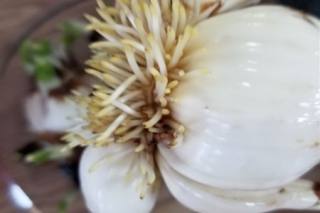
From a botanical perspective, indoor forcing is a horticultural technique that manipulates a plant's natural dormancy cycle to induce flowering outside its typical season. For Narcissus (daffodils), which are perennial geophytes (bulbous plants), this process involves carefully controlled environmental cues. The bulb itself is a specialized storage organ containing a complete, but dormant, embryonic plant and all the nutrients required for a single flowering cycle. Successful forcing depends on selecting species and cultivars whose internal physiology is most responsive to this artificial simulation of winter and spring. The best types for forcing are those that naturally have a lower chilling requirement, a shorter forcing period, and a compact growth habit suited to container life.
Paperwhite narcissus are arguably the most forgiving and popular choice for indoor forcing, primarily because they require no cold period. Their physiology is adapted to warmer Mediterranean climates. The bulb's dormancy is broken by moisture and temperature alone, bypassing the need for a simulated winter. This makes them ideal for beginners. They are known for their potent, sweet fragrance and clusters of pure white flowers. However, from a plant's viewpoint, their rapid growth often leads to weak stems that flop over (etiolation). This is a physiological response to lower light levels indoors compared to their native habitat. To combat this, some growers recommend initially cultivating them in a cool, dark place to encourage stronger root development and shorter stems before moving them to a bright location.
Beyond the classic Paperwhite, other cultivars within the Tazetta division are excellent forcers. 'Grand Soleil d'Or' is a standout, with golden-yellow petals and an orange cup. Like Paperwhites, they are largely cold-tolerant but not cold-dependent. Their internal programming allows them to initiate flower development with minimal chilling. Another excellent choice is 'Ziva', a particularly vigorous Paperwhite cultivar selected for its reliability and strong fragrance. These Tazetta narcissus typically produce multiple flowers per stem (an umbel), providing a generous display. Their vascular systems are efficient at transporting water and nutrients rapidly from the bulb, leading to a quick forcing time of just 4-6 weeks after planting.
For those seeking the classic yellow daffodil form, certain trumpet and large-cupped cultivars have been bred for superior forcing performance. Varieties like 'Dutch Master' (Trumpet), 'Carlton' (Large-Cupped), and 'Ice Follies' (Large-Cupped) are top choices. Unlike Tazettas, these bulbs have a physiological requirement for a sustained cold period (12-16 weeks at 35-48°F or 2-9°C) to vernalize—a process that chemically triggers the transition from vegetative to reproductive growth within the bulb's apical meristem. After this cold treatment, which mimics winter, they can be forced into bloom in 2-4 weeks. Their growth is generally sturdier than Paperwhites, as their genetics are tuned to grow in cooler spring conditions, resulting in less leggy foliage.
Species narcissus and their miniature hybrids, such as Narcissus 'Tête-à-Tête' (a Cyclamineus hybrid), are exceptionally well-suited to indoor containers. Their small scale is a natural advantage, preventing them from becoming top-heavy. 'Tête-à-Tête' is a prolific forcer, often producing multiple flowers per bulb. Its physiology allows it to thrive with a shorter cold period than some larger daffodils. Other miniature varieties like Narcissus jonquilla (Jonquil) and Narcissus 'Minnow' (Tazetta) are also excellent. They tend to have a more delicate fragrance and a charming, proportional size that makes them ideal for small pots and windowsills, reducing the physical stress on the plant's structure during growth.