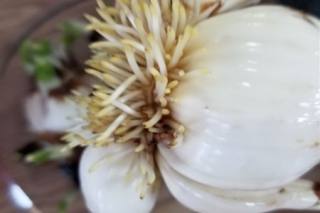
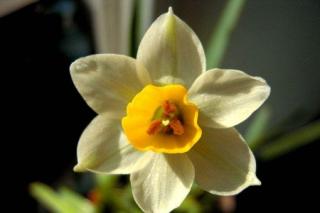
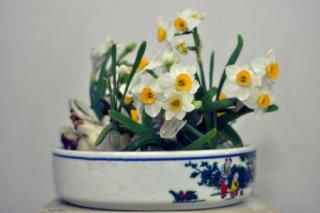
From the perspective of the Narcissus bulb itself, the process of being "forced" indoors and then potentially transplanted outdoors is a significant physiological journey. It is a test of energy reserves, root system integrity, and the plant's innate cyclical timing. The answer is not a simple yes or no, but a conditional yes, dependent on understanding and supporting the bulb's specific needs after its forced flowering.
After being forced, a Narcissus bulb is in a state of extreme energy depletion. Forcing manipulates the bulb's natural dormancy cycle, typically through controlled cooling and warming, to accelerate flowering for indoor winter display. The bulb expends a massive amount of its stored carbohydrates to produce leaves and a flower stalk in an artificially shortened timeframe. Unlike a bulb that blooms naturally outdoors, which uses solar energy to replenish its reserves through photosynthesis after flowering, the forced bulb often has limited light resources indoors. Its leaves may be weaker, and its root system, developed in water or shallow potting mix, is frequently underdeveloped and fragile compared to the robust root system of a ground-planted bulb. Transplanting this already stressed bulb directly into the harsh outdoor environment without a recovery period would likely be fatal.
The most crucial step for a forced Narcissus bulb's survival is the post-bloom care it receives indoors. Once the flowers fade, the flower stalk should be cut off to prevent seed production, which would waste further energy. However, the leaves must be preserved at all costs. They are the bulb's only mechanism for photosynthesis. The plant should be treated as a green houseplant: moved to a bright, sunny windowsill and watered regularly with a diluted, balanced fertilizer. This care regimen allows the leaves to absorb sunlight and nutrients, converting them into carbohydrates that are transported back down to the bulb for storage. This process is essential for rebuilding the bulb's strength and forming the embryo for next year's flower inside the bulb. This recovery phase should continue until the outdoor conditions are suitable, typically for several weeks.
When the danger of a hard frost has passed and the ground is workable in spring, the bulb can begin its transition outdoors. It is not yet ready to be planted in its final location. First, the plant must be hardened off to acclimate it to outdoor conditions of wind, sun, and temperature fluctuations. This involves placing the pot in a sheltered, partially shaded location for increasing periods each day over a week to ten days. After this acclimatization, the bulb can be planted. Choose a sunny to partly sunny spot with well-draining soil. Plant the bulb at a depth about three times its height, allowing the existing foliage to remain above the soil. Continue to water it and let the leaves grow naturally.
Even with ideal care, the transplanted bulb will require time to fully recover and synchronize with the natural seasonal cycle. It is highly unlikely to flower again the following spring. The energy expended for the forcing bloom was too great, and the bulb will likely need a full year or more in the ground to gather enough resources. The leaves will photosynthesize throughout the spring and summer before naturally yellowing and dying back, signaling the bulb's entry into summer dormancy. The bulb is then underground, following its natural rhythm. With patience and consistent care—meaning the leaves are allowed to die back naturally each year—the bulb may regain enough vigor to produce a flower spike again, possibly in the second or third spring after transplanting. The success of this long-term recovery hinges entirely on the care given to replenish its energy stores after the forcing process is complete.