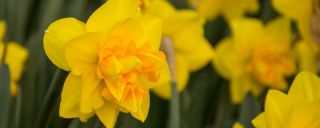
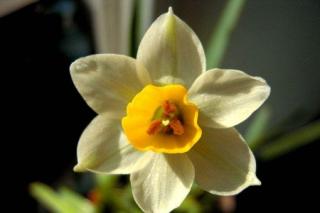
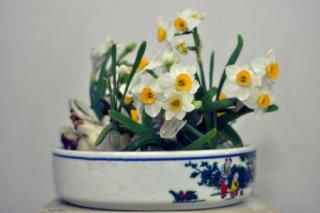
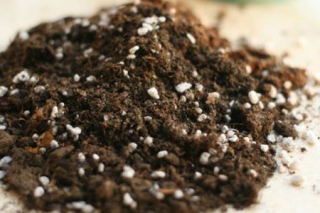
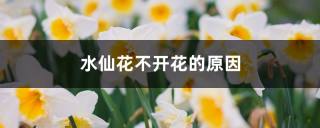
As a Narcissus, my needs are simple but specific. While I am often celebrated for my vibrant, trumpet-shaped blooms that herald the end of winter, my relationship with fertilizer is a nuanced one. It is not a simple yes or no, but a question of timing and circumstance. To understand this, you must consider my life cycle and how I am typically grown.
From my perspective, whether I need fertilizer depends entirely on whether I am growing in soil or in water. This is the most critical distinction. When you place me in a shallow bowl of pebbles and water, you are providing a temporary home for a single flowering cycle. My bulb is a self-contained storage unit, packed with all the energy and nutrients I need to produce that season's leaves and flowers. In this hydroponic setup, adding fertilizer to the water is not only unnecessary but can be detrimental, potentially promoting rot in the water and harming my roots. Clean, fresh water is all I require.
However, if I am planted in soil, the situation is different. This is typically done in gardens or outdoor containers with the intention of my returning for several years. In this case, fertilizer becomes important for my long-term health and ability to rebloom.
As a bulbous plant, my life revolves around a cycle of growth, blooming, and dormancy. After I finish flowering, my focus shifts from showcasing my bloom to a crucial underground task: rebuilding my bulb. The leaves you see above ground are my solar panels. Through photosynthesis, they capture energy from the sun, which is then converted and stored within the bulb for next year's growth. This process requires nutrients from the soil. While I can extract some, a boost from fertilizer ensures I have the necessary building blocks—primarily phosphorus and potassium—to create a strong, healthy bulb capable of producing flowers again.
Timing is everything. The best time to feed me is during or just after my blooming period, while my leaves are still green and actively photosynthesizing. Applying fertilizer at this stage directly supports the bulb-replenishment process. You should continue to water and allow my foliage to die back naturally; never cut it green. Some gardeners also recommend a light feeding in the autumn, as roots begin to develop again, to give me a good start. Fertilizing when I am dormant in the summer or as I am just beginning to sprout in late winter is less effective, as my roots are not actively seeking nutrients at those times.
I do not require heavy feeding. A balanced, water-soluble fertilizer diluted to half-strength is perfectly adequate. Alternatively, a fertilizer formulated specifically for bulbs is ideal, as it will have a higher ratio of phosphorus and potassium (the last two numbers on the fertilizer package, like 5-10-10) relative to nitrogen. Nitrogen primarily promotes leafy green growth, which is not my priority after flowering. My goal is root and bulb development, and phosphorus and potassium are the key nutrients for that. A light application of bone meal worked into the soil around me in the autumn can also be a beneficial source of phosphorus.