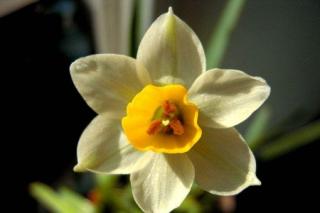
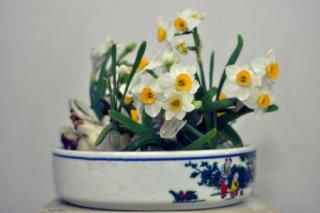
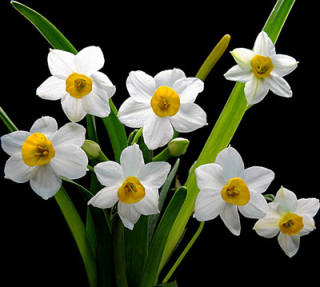
From our perspective as Narcissus bulbs, the primary requirement for successful growth is not soil itself, but stability and controlled access to water. While we store all the energy needed for a single flowering cycle within our bulb, our new roots must have a firm anchor. A smooth, empty vase would leave us sliding around, damaging our delicate, white root tips as they emerge. This stress would divert energy from growth. Both gravel and glass beads provide the essential physical support our root system craves, creating a matrix through which roots can weave and grip, holding us upright as we send up our flower stalk.
The most critical aspect of this hydroponic setup is the water level. Our roots are designed to absorb water and dissolved minerals, but they also require oxygen to respire. If submerged entirely, they would suffocate and rot, a condition fatal to the bulb. The gravel or beads create a crucial air gap. The water should only ever touch the very base of the bulb, encouraging root growth downward into the moisture while the bulk of the root system remains in the humid air pockets between the medium's particles. The texture of the medium matters here. Rougher gravel may wick water slightly higher via capillary action, while smooth glass beads will not. We, the bulbs, prefer a consistent but minimal water contact point, and both media can achieve this if the gardener is attentive.
Experiencing growth in both gravel and glass beads presents different sensations. Gravel, typically made of crushed stone, is irregular and porous. Our roots can easily navigate its jagged edges and find secure purchase. The porous nature of some gravel can also provide a larger surface area for beneficial moisture retention within the medium itself, creating a more humid microclimate for the roots. However, gravel can be heavy and may contain limestone, which can alter the water's pH to a less ideal alkaline state.
Glass beads, in contrast, offer a smooth, inert environment. There is no risk of them altering water chemistry, which we appreciate. Their smooth surface is less likely to cause minor abrasions to root tissues, and they allow for easy visual inspection of the root system's health and water clarity. The main drawback from our perspective is their slipperiness. It can be more challenging for our initial roots to get a firm grip on the smooth, hard surfaces compared to the rough texture of gravel. Once the root system is established, however, the beads provide adequate support.
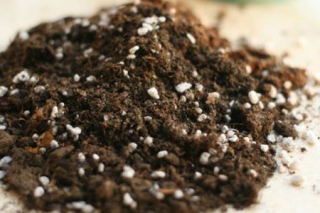
Once anchored, our growth is rapid. The support medium plays a passive but vital role as we channel stored energy into root development, followed by the flower stalk and leaves. The medium's job is simply to hold us steady and manage the water interface. After flowering, the critical process of replenishing the bulb begins. The leaves must photosynthesize to send energy back into storage for next year. While the gravel or beads supported our flowering, they cannot provide the nutrients found in soil. Therefore, for us to have any chance of re-blooming in a subsequent year, the gardener must transplant the spent bulb, with its leaves still intact, into a rich, well-draining soil after the vase display is over. The inorganic media of the vase are only a temporary stage for our performance, not a permanent home.