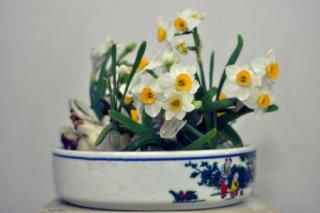
From my perspective, a Narcissus bulb, your windowsill is the perfect substitute for the open, sun-drenched meadows my ancestors called home. I crave bright, indirect light. A south or west-facing window is ideal, as it provides the long hours of illumination I need to convert into energy. Please, avoid placing me in intense, direct sunlight behind glass for the whole day, as it can scorch my tender leaves and flower stalks. I also appreciate a consistent, cool temperature. A room that is warm during the day but cooler at night mimics my natural spring flowering conditions and helps me grow strong and sturdy, rather than becoming leggy and weak.
When you first place me in a bowl or pot, I am parched and dormant. The initial watering is a profound moment of awakening. Clean, fresh water is essential—tap water is usually fine, but if it is very hard, rainwater is a special treat. You must only let the water touch my roots and the base of my bulb. I am not a water lily; if my entire body is submerged, I will sadly rot and perish. As I drink, you will witness the emergence of my white, fibrous roots, which will eagerly stretch down into the pebbles or glass beads you've provided. These roots are my anchor and my straw, drawing up the hydration I need to push forth my green shoots.
Once rooted, my primary goal is to grow tall and produce a flower. This requires immense energy, nearly all of which is stored within my bulb. Think of me as a self-contained lunchbox; I have packed everything I need for this single, glorious bloom. The water you provide is the key that unlocks this stored energy, allowing it to travel up my stalk. You will see my leaves and flower stalk grow noticeably each day, leaning towards the light. This is why rotating my container regularly is so helpful—it ensures I grow straight and don't topple over in my eagerness to bask in the sun.
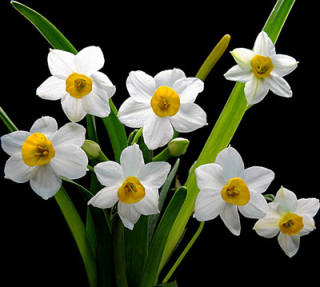
The moment my flower bud swells and begins to show color is the climax of my life cycle. The fragrant bloom is my offering, a product of all the energy I have conserved. To make this moment last as long as possible, continue to provide me with bright light and cool temperatures. Excess heat will cause my flower to wither quickly. Also, please keep me away from fruit bowls! Ripening fruits release a gas called ethylene, which is a signal to me that it is time to age rapidly and die back. After my petals fade, my work is complete. I have exhausted my internal reserves.
Once my flower withers, you will see my leaves remain green for some time. Do not cut them off immediately. They are now working to absorb sunlight and send a small amount of energy back into my bulb for storage, though it will not be enough for another forced indoor bloom. Eventually, my foliage will yellow and die back naturally. At this point, my life cycle on your windowsill is over. I am a resilient plant, but the effort of blooming indoors has left me depleted. While it is possible to plant me in a garden, I will need several years to recover enough strength to flower again.