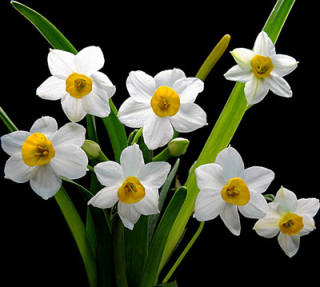
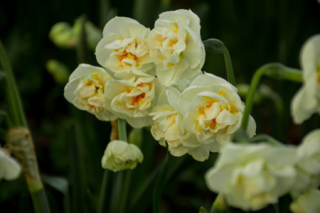
From the perspective of the daffodil plant (Narcissus spp.), its lifespan in a pot begins with a period of intense energy expenditure. The plant has been pre-programmed by its bulb, a specialized underground storage organ, to bloom at a specific time. When you purchase or receive a potted daffodil, it is typically in or nearing this flowering stage. The duration of the individual flowers themselves is relatively short, usually lasting between one to three weeks. This phase is the plant's reproductive display, designed to attract pollinators. Factors such as ambient temperature and light exposure directly influence this period; cooler temperatures away from direct heat sources can prolong the bloom time by slowing the plant's metabolic processes. During this time, the plant's primary focus is on sustaining the flowers, drawing upon the vast reserves of carbohydrates and nutrients stored within the bulb.
Once the flowers fade and are deadheaded (removed to prevent seed production, which wastes energy), the potted daffodil enters its most critical phase for long-term survival. The plant's objective shifts from reproduction to regeneration. The green, strap-like leaves are not merely decorative; they are solar panels. Through photosynthesis, the leaves capture sunlight and convert it into chemical energy, which is then transported back down to the bulb to replenish the reserves depleted during flowering. This post-bloom period, where the leaves remain green and healthy, is essential. It typically lasts for 6 to 8 weeks after blooming. If the leaves are cut back or tied up prematurely, the bulb is effectively starved, compromising its ability to flower in subsequent years or even survive.
As the replenishment phase concludes, the daffodil's leaves will naturally begin to yellow, wilt, and die back. This signals the plant's entry into dormancy, a state of suspended growth that allows it to survive unfavorable conditions, such as summer drought or winter cold. At this point, the potted daffodil has completed its annual cycle. If left in the same pot, the long-term viability of the bulb becomes the central question. A potted daffodil can last for multiple years in its container, but its performance will likely diminish. The confined space limits the bulb's ability to produce offsets (new bulblets) and depletes the finite nutrients available in the potting mix. Without supplemental feeding and eventual repotting or division, the bulb may only produce foliage or cease growing altogether after two or three seasons.
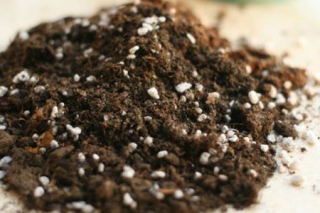
To maximize the lifespan of a potted daffodil from a single season to a perennial container plant, its year-round needs must be met. After the foliage has died back, the pot can be moved to a cool, dry location for the summer. In the autumn, to break dormancy and initiate root growth for the next cycle, the bulb requires a period of cold chilling, simulating winter. The entire pot can be placed in a cold frame, unheated garage, or even in the ground for this purpose. Before the next growing season, repotting with fresh, well-draining soil provides essential nutrients. From the plant's viewpoint, this careful management mimics its natural lifecycle, allowing it to successfully cycle through growth, flowering, replenishment, and dormancy repeatedly within the constraints of a container.