From a botanical perspective, the most accurate starting point is the genus Narcissus. This is the scientific name for the entire group of plants commonly called daffodils, narcissus, and jonquils. All these plants belong to this single genus within the Amaryllidaceae family. The confusion in common names arises from regional preferences, horticultural habits, and the specific characteristics of the numerous species and hybrids. There are over 50 species and tens of thousands of registered cultivars, leading to a vast diversity in form, size, and fragrance. Therefore, technically, all daffodils and jonquils are narcissus.
The term "daffodil" is the common English name used most broadly. In general horticultural use, it refers to any plant in the genus Narcissus, particularly the larger-flowered, trumpet-shaped varieties. However, a more precise, though informal, botanical distinction is often made based on the flower's structure. A daffodil typically has a single flower per stem and a prominent, long central corona (the trumpet or cup) that is as long as, or longer than, the surrounding petal-like structures (which are correctly called the perianth segments). The classic yellow trumpet daffodil, like the popular 'King Alfred' type, is the archetypal image of a daffodil. The name is thought to be a corruption of "asphodel," a different but somewhat similar-looking plant.
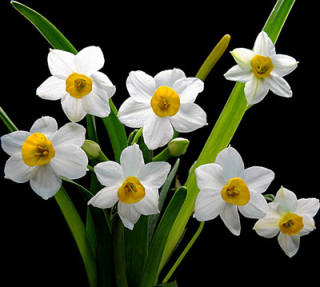
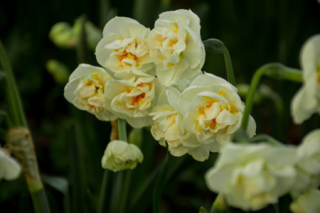
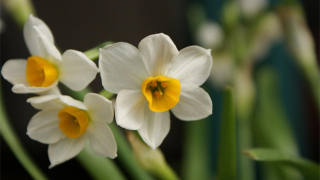
In everyday language, "narcissus" is often used to describe the smaller, cluster-flowered types with multiple, fragrant blossoms per stem. A prime botanical example is the species Narcissus tazetta, which includes the Paperwhites (N. tazetta subsp. papyraceus). These plants bear clusters of small flowers with short, shallow cups. The use of "narcissus" can also be a more formal or scientific way to refer to the entire genus. The name itself comes from the Greek myth of Narcissus, who fell in love with his own reflection, a story often linked to the flower's downward-facing habit.
Jonquils have the most specific botanical definition of the three common names. True jonquils refer to plants classified under the species Narcissus jonquilla and its hybrids. Botanically, they are distinguished by several key characteristics. They typically have one to five small, very fragrant flowers per stem. Their foliage is a definitive identifier: jonquils have dark green, cylindrical, rush-like leaves (hence the name, from the Spanish "junquillo" meaning rush). Furthermore, their stems are hollow. In the southern United States, "jonquil" is often used interchangeably for any yellow daffodil, but from a strict botanical standpoint, not all daffodils are jonquils; only those with the specific traits of the N. jonquilla lineage qualify.
The Royal Horticultural Society (RHS), the international authority for the registration of daffodils, divides the genus into 13 divisions based on botanical and horticultural characteristics. This classification system helps clarify the relationships. For instance, Division 1 covers Trumpet Daffodils (the classic "daffodil"), Division 7 is for Jonquils (defined by their species traits), and Division 8 contains the Tazetta daffodils (the cluster-flowered "narcissus" like Paperwhites). This system acknowledges that the common names often point to specific divisions or species within the larger Narcissus genus, which is the only term that encompasses them all without ambiguity.