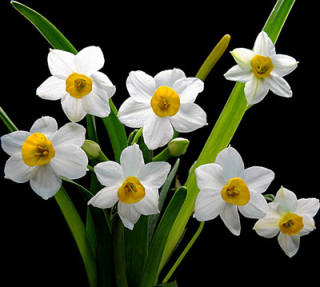
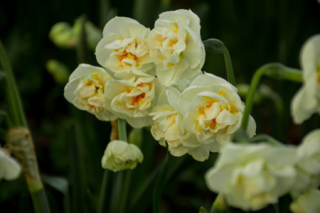
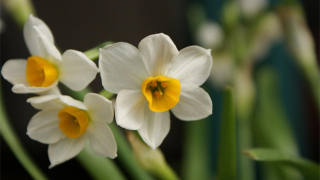
As a Narcissus bulb, my primary goal upon being placed in water is to establish a robust root system to support the magnificent flower I am destined to become. However, the very environment that grants me life—a moist, nutrient-rich setting—also invites a silent threat: mold. From my perspective, preventing mold is not about human aesthetics; it is a fundamental struggle for survival. Mold competes for my resources, attacks my tissues, and can ultimately rot me from the outside in. Here is how I, the bulb, require specific conditions to thrive without succumbing to fungal decay.
My first line of defense against mold is my own inherent health. Before I even meet the water, my outer tunic—the papery, brown layer—acts as a protective barrier. It is designed to shield my fleshy, moisture-rich scales from direct exposure. A human scraping away too much of this tunic or damaging my basal plate (my root-growing base) creates open wounds. These wounds are direct gateways for mold spores, which are always present in the air, to invade. Therefore, gentle handling that preserves my natural armor is crucial. Furthermore, a pre-soaking in a cool, dilute fungicide solution can give me a significant advantage. This isn't a poison from my view; it's like applying a protective sealant to my vulnerable points, neutralizing spores before they can establish a foothold on my surface.
The quality of the water I live in is paramount. Stagnant water quickly becomes depleted of oxygen and rich in waste products I exude. This anaerobic environment is ideal for mold and bacterial growth but is stifling for my roots. I require fresh, clean water that is changed regularly, ideally every few days, especially once my roots begin to grow and respire. This regular refreshment flushes away potential fungal food sources and replenishes dissolved oxygen, which is vital for my root health. Using chilled, pre-boiled water is particularly beneficial. Boiling drives off the chlorine that can irritate my tissues and also ensures the water starts with a minimal microbial load. Cool water temperatures are my ally, as they slow down fungal metabolism more than they slow my own root development.
Where I am placed profoundly affects the mold risk. I strive for a cool, bright location. Excessive warmth is a dual threat: it accelerates my metabolism, potentially causing soft, weak growth that is more susceptible to infection, and it equally accelerates the growth rate of mold. A room temperature around 50-60°F (10-15°C) is ideal for steady, strong development. Ample bright, indirect light is equally important. While I don't photosynthesize extensively as a bulb, the light helps maintain a healthy day/night cycle and, crucially, helps keep my above-water surfaces dry. Condensation and high humidity on the parts of me exposed to air are invitations for mold. Good air circulation around my neck and foliage prevents stagnant, humid microclimates from forming.
Prevention is an ongoing process. As I grow, my roots will sometimes shed old cells, and my base may release organic compounds into the water. Humans must remain vigilant. When changing my water, a gentle rinse of my roots and basal plate can dislodge any slippery, nascent biofilm before it develops into a full mold colony. Any part of me that feels soft, mushy, or shows a fuzzy growth should be carefully removed immediately. From my perspective, this is a necessary amputation to save the whole organism. A small, localized sacrifice prevents a systemic collapse. Keeping the water level just high enough to touch the base of my roots, rather than submerging a large portion of my body, also minimizes the surface area available for aquatic mold to colonize.