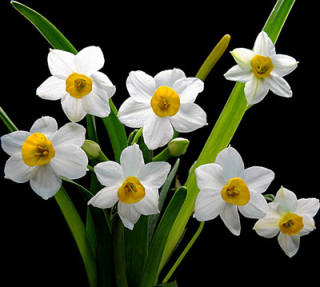
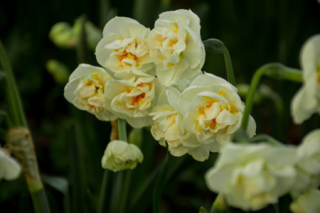
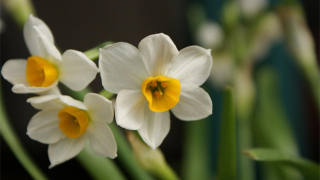
From our perspective as Narcissus bulbs, we are not merely dormant objects; we are living storehouses of energy, patiently waiting for the right signals to begin our growth cycle. Inside our brown, papery tunics, we contain a complete embryonic plant, complete with leaves, stem, and flower, all pre-formed and ready to go. However, we require a period of cold, damp conditions to break our internal dormancy. This chilling period mimics the cold winter soil we would naturally experience if planted in the ground. It is a vital signal that tells us it is safe to end our rest and initiate root development. Without this "winter," our internal clock remains paused, and our growth will be stunted or non-existent.
The choice of our future home is crucial. We do not like to sit in waterlogged conditions, as our bulbs are prone to rot. A pot with adequate drainage holes at the bottom is non-negotiable. The material of the pot is less important than its function. The growing medium should be loose and free-draining. While we can be grown in soil, a soilless potting mix composed of peat, coir, or compost mixed with perlite or horticultural grit is ideal. This provides excellent aeration around our base and allows excess water to escape quickly, protecting us from rot while still retaining enough moisture to support our root growth.
When it comes time for planting, please handle us gently. Fill the pot partway with the prepared medium. Our orientation is key: our slightly pointed end, where the shoot will emerge, must face upwards. Our flatter, broader base, where the roots will develop, should be in contact with the soil. Place us on the surface of the medium, clustering us close together but not touching. We do not mind being crowded in a pot; in fact, it helps support each other as we grow and creates a fuller display. Once positioned, add more potting mix around and between us, but crucially, leave our "noses" (the top third of the bulb) exposed. Burying us too deeply can encourage rot at the neck and delay flowering.
After planting, give us a thorough initial watering. This settles the medium around our bases and provides the moisture we need to start producing roots. This next stage is the most critical for our success. We must be placed in a cool, dark location for a significant rooting period, typically 6 to 8 weeks. A cold frame, an unheated garage, or a refrigerator (away from ripening fruit) are suitable places. The temperature should be consistently between 35-48°F (2-9°C). During this time, our energy is directed downward to establish a strong, healthy root system. You may not see any top growth, but beneath the surface, we are busy anchoring ourselves and preparing for the spectacular display to come.
Once you observe a few inches of pale yellow shoot growth and can feel resistance when gently tugging on a bulb (indicating well-developed roots), we are ready for the next phase. Bring our pot into a cool room with bright, indirect light. A south or east-facing windowsill is perfect. Avoid placing us directly next to a heat source, as excessive warmth will cause our stems to grow too quickly, becoming leggy and floppy. The cooler the environment, the longer our blooms will last. We will gradually green up and our flower buds will emerge from the sheath-like spathe. With consistent moisture and cool temperatures, we will reward your patience with our vibrant, fragrant winter blooms.