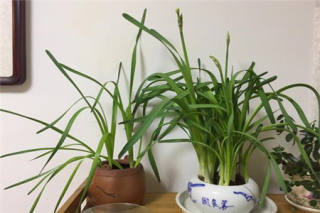
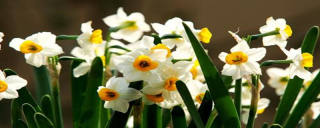
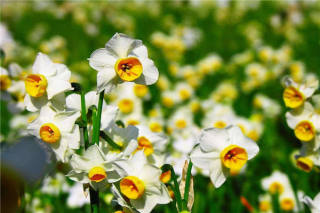
From our roots' perspective, the single most critical factor in any soil mix is drainage. We narcissus plants despise having our bulbs sit in constantly soggy, waterlogged soil. Our bulbs are our lifelines, storing all the energy and moisture we need to burst into glorious bloom. However, if they are encased in heavy, wet soil, they become vulnerable to rot. This rot is caused by fungi and bacteria that thrive in anaerobic (oxygen-deprived) conditions. A well-draining mix allows excess water to flow away freely after watering, ensuring our bulbs remain firm and healthy, with access to the oxygen our roots need to breathe. It is a matter of survival.
To achieve this essential drainage, we require a soil mix with a light, loose, and open structure. Think of it as a comfortable, airy home for our root systems. A standard garden soil or a dense, peat-heavy potting mix is completely unsuitable; it compacts easily, choking our roots and holding far too much water. Instead, we thrive in a mix that incorporates coarse, inorganic materials. Ingredients like perlite, pumice, or coarse horticultural sand are excellent. These particles create permanent air pockets within the soil, preventing compaction and ensuring that water percolates through quickly, rather than forming a suffocating sludge around our bulbs.
While drainage is paramount, the mix must also possess a modest ability to retain moisture. We need consistent, slight moisture to fuel our growth, especially during the critical phases of root development and flower stalk elongation. The key is a component that holds water without becoming waterlogged. Sphagnum peat moss or coconut coir are ideal for this role. They act like tiny sponges, absorbing a limited amount of water and making it available to our roots over time, while still allowing the overall structure to remain open. The balance is crucial: too much water-retentive material, and we risk rot; too little, and we may suffer from drought stress between waterings.
Regarding nutrition, our needs are relatively modest, particularly for a single season of forced growth indoors. Our bulb contains most of the energy required to produce our flowers and foliage. Therefore, the soil mix does not need to be overly rich. In fact, an excess of nutrients, especially high-nitrogen fertilizers, can encourage excessive leafy growth at the expense of our beautiful blooms. A small amount of a balanced, slow-release fertilizer or a handful of compost incorporated into the mix is sufficient. This provides a gentle, steady supply of nutrients to support our growth without overwhelming us, allowing the energy stored within our bulb to be directed toward flowering.
Combining these needs, the ideal soil mix from our perspective is a simple, sterile, soilless blend. A perfect recipe would be two parts of a general-purpose potting mix (which provides a base of peat or coir) combined with one part perlite or coarse sand. This combination creates the perfect habitat: it is lightweight, drains exceptionally well, retains just enough moisture, and provides a mild nutrient base. Before planting, we appreciate it when our caretakers moisten this mix slightly. It should feel like a wrung-out sponge—damp to the touch but not releasing any water when squeezed. This gives our new roots the perfect humid environment to immediately start growing into, setting the stage for a spectacular and healthy display.