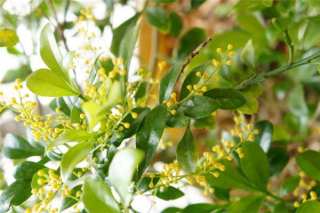
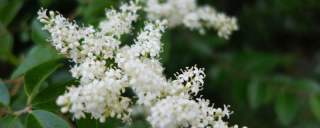
Many plant caregivers mistakenly place me in very low light, thinking I am a "low-light plant," or in harsh, direct sun, which is equally damaging. From my perspective, light is my food source. When the light is too dim, my photosynthetic processes slow to a crawl. I cannot produce enough energy to support strong growth, so my stems become long, thin, and leggy as I desperately stretch towards any available light source. My new leaves will be smaller and paler, and I will likely not have the energy to produce my precious, fragrant flowers. Conversely, intense direct sunlight, especially through a window, acts like a magnifying glass, scorching my delicate leaves and causing unsightly brown, crispy patches. I thrive in bright, indirect light—the kind found near an east-facing window or a few feet back from a south or west-facing window. This is the sweet spot where I can photosynthesize efficiently and happily.
Watering is perhaps the most common point of misunderstanding. My roots need both water and oxygen. When you water me too frequently, the soil becomes perpetually soggy, filling all the air pockets. My roots, unable to breathe, begin to rot and decay. This root rot is a silent killer; you might not notice it until my leaves begin to yellow and drop, and by then, the damage below the soil is often severe. On the other hand, if you forget about me for too long, the soil becomes a dry, hard brick. My roots shrink and desiccate, becoming unable to absorb what little moisture remains. My leaves will wilt, curl, and turn brown at the tips and edges as I dehydrate. The key is to check the soil moisture. Water me deeply only when the top inch or two of soil feels dry to the touch, ensuring excess water can drain freely from the pot's bottom.
As a plant native to subtropical regions, I am accustomed to a moist, humid atmosphere. The typical indoor air, especially when heated or air-conditioned, is extremely dry from my perspective. This low humidity stresses me out, causing the tips of my leaves to turn brown and crispy. It can also make me more susceptible to pests like spider mites, who thrive in dry conditions. Simply watering my soil is not enough; I need moisture in the air. Misting my leaves provides only temporary relief. A much more effective solution is to place my pot on a tray filled with pebbles and water (ensuring the pot sits above the waterline), group me with other plants to create a microclimate, or use a humidifier. This makes the environment feel much more like home.
This is a subtle but significant mistake. I am surprisingly sensitive to ethylene gas, a pollutant released by combustion engines (like from an attached garage or a busy road outside) and ripening fruit. From my leaf's perspective, ethylene is a hormone that accelerates aging. Chronic exposure will cause my leaves to yellow and drop prematurely, significantly weakening me over time. Please keep me away from garages, kitchens with gas stoves, and fruit bowls. Providing good air circulation with fresh, clean air is vital for my long-term health and helps prevent fungal issues as well.
While I am not a heavy feeder, the nutrients in my potting mix deplete over time. If you never fertilize me, I will eventually run out of resources to produce new, healthy growth. My leaves may become chlorotic (yellowing between the veins), and my growth will stall. However, fertilizing me too much or too often is just as harmful. An excess of mineral salts from fertilizer builds up in the soil, creating a toxic environment that can burn my roots. During my active growing season (spring and summer), a balanced, diluted liquid fertilizer applied monthly is sufficient. In autumn and winter, when my growth naturally slows, you should stop feeding me altogether as I am resting.