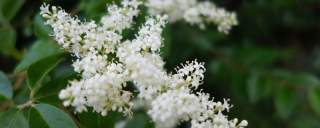
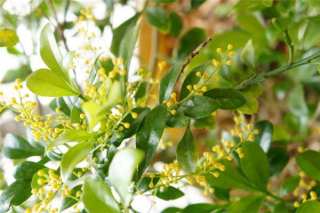
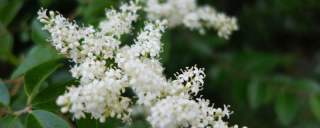
Greetings. I am Aglaia odorata, the Chinese Perfume Plant. While you may admire my fragrant, tiny yellow blooms and glossy evergreen leaves, my vitality and happiness depend profoundly on the foundation you provide: the potting mix. It is my entire world, my source of sustenance, stability, and breath. A poorly constructed mix can lead to my silent suffering, while a well-crafted one allows me to thrive and share my perfume with you. From my perspective, here is what constitutes the ideal DIY potting mix recipe.
My roots despise waterlogging. In my native Southeast Asian habitats, I grow in well-draining soils. Soggy, compacted soil suffocates my root system, creating an anaerobic environment where harmful fungi thrive, leading to root rot—a death sentence. Therefore, the primary goal of any mix you create for me must be exceptional drainage and aeration. This means the mix should hold just enough moisture for my roots to absorb but allow excess water to flow through almost immediately. Ingredients like perlite, coarse sand, and orchid bark are not just additives; they are lifelines. They create essential air pockets, ensuring my roots can breathe and grow robustly.
Think of my potting mix as a balanced meal and a comfortable home. Here is a recipe I find particularly agreeable:
Base Component: The Nutrient Source (40%). A high-quality, peat-based or coconut coir-based potting mix serves as a good base. It provides a light, organic structure and holds some moisture and nutrients. Coir is preferable as it is more sustainable and has a near-neutral pH, which I appreciate.
Aeration Component: The Breath of Life (40%). This is crucial. Combine equal parts of perlite and coarse horticultural sand (not builder's sand). Perlite is light and porous, while the sand adds weight and improves drainage dramatically. For an even more resilient mix, you can include a portion of small-grade orchid bark or pumice, which further prevents compaction over time.
Nutritional Boost & pH Balance (20%). I benefit from a steady, gentle supply of nutrients. Incorporating well-rotted compost or worm castings (about 10-15% of the total mix) provides a rich, organic food source. Furthermore, I prefer a slightly acidic to neutral pH. Adding a handful of horticultural charcoal (about 5%) helps to keep the mix "sweet" by filtering impurities and mildly acidifying the environment, which also discourages root diseases.
To bring these principles together, you might create a mix with the following ratios:
Thoroughly combine all these ingredients while they are dry. Before you pot me, please moisten the mix slightly. It should feel like a wrung-out sponge—damp but not dripping. This prepares the organic matter to start holding moisture correctly from the very beginning.
The perfect mix is only half the solution. The container you choose must have adequate drainage holes. Without them, even the best-draining mix will fail, as water will have no escape route. A pot that is too large will hold excess moisture around my roots for too long, while a pot that is too small will constrict my growth. Repot me every 2-3 years, or when you see my roots circling the bottom of the pot, to refresh the medium and give me room to grow. With this careful foundation, I will be well-equipped to reward you with years of fragrant beauty.