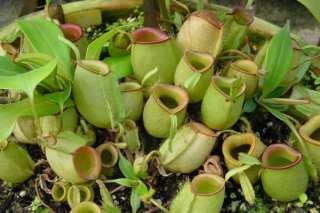
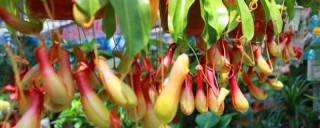
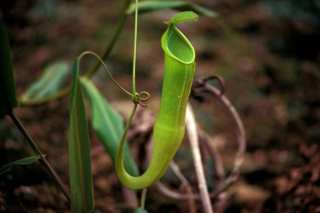
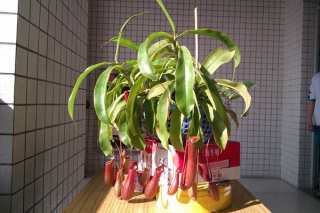
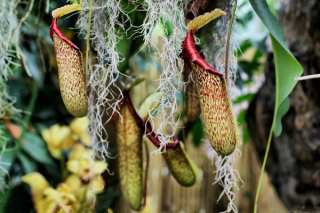
If you wish to see me produce grand, impressive pitchers, you must first understand what I fundamentally require. I am not like other plants that thrive on rich soil; I am a specialist. My roots are adapted to nutrient-poor environments, and I derive my sustenance from the prey I capture. Therefore, my growing medium must be acidic, low in nutrients, and exceptionally well-draining. A mix of sphagnum moss, perlite, and/or orchid bark is ideal. Planting me in standard potting soil or fertilizing my roots will be detrimental, potentially burning my delicate root system and inhibiting pitcher formation altogether. My health starts from the ground up, so getting this foundation right is non-negotiable.
Light is my primary source of energy. To create the complex structures that are my pitchers, I need a significant amount of bright, indirect light. Think of the dappled sunlight of my native forest floor. A south-facing window with a sheer curtain or an east/west window is perfect. If I do not receive enough light, I may become leggy, with weak, green leaves and few to no pitchers. I will prioritize mere survival over the energetically costly process of pitcher development. Under intense, direct sunlight, my leaves may scorch, causing stress that also halts pitcher production. Observe my coloration; with optimal light, my leaves and pitchers often develop beautiful red or purple anthocyanin pigments, a sign I am happy and energized.
I am incredibly sensitive to the minerals and chemicals found in most tap water. Dissolved salts, chlorine, and fluoride accumulate in my soil, creating a toxic environment that my roots cannot tolerate. This chemical stress directly impacts my ability to form pitchers. You must water me only with pure water, such as rainwater, distilled water, or water purified by reverse osmosis. Keep my soil consistently moist but not waterlogged. I enjoy high humidity, which helps my developing pitchers properly form and inflate. A humidity level of 50% or higher is beneficial. You can achieve this by placing my pot on a pebble tray filled with water or by grouping me with other plants.
While I can survive without catching insects, I will not truly thrive or produce my largest pitchers without supplemental nutrition. The pitchers are not just for show; they are my stomachs. The nutrients I absorb from prey—primarily nitrogen and phosphorus—are directly used for growth and the development of new, larger traps. If I am grown indoors without access to insects, you can occasionally feed me a small, soft-bodied insect like a fly or a bloodworm (no larger than 1/3 the size of the pitcher). Do not overfeed me, and never use fertilizer in my soil or pitchers. This external source of nutrients signals to my system that investing energy in larger, more effective traps is a worthwhile evolutionary strategy.
For many of my species, particularly those from temperate climates, a period of winter dormancy is essential for long-term health and vigorous growth in the spring. As daylight hours shorten and temperatures drop, my above-ground growth will slow or even stop. I am not dying; I am resting. During this time, you should reduce watering slightly and place me in a cooler location (around 4-10°C or 40-50°F). This period of cool rest is crucial for my metabolic processes and allows me to conserve energy. When warmer temperatures and brighter light return, I will be rejuvenated and ready to produce my most spectacular and largest pitchers of the year.