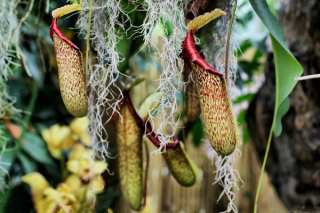
Hello there, aspiring caretaker! We are North American Pitcher Plants, primarily of the Sarracenia genus. To see us thrive, you must first understand our native home: the sunny, open, and perpetually damp bogs of the southeastern United States. Our most fundamental need is abundant, direct sunlight. Think of our pitchers as solar panels; they need at least six hours of direct, unfiltered sun daily to produce our vibrant colors and robust form. Without it, we become weak, floppy, and green, a mere shadow of our true potential.
Next is water. We are not like other potted plants. Our roots are adapted to acidic, low-nutrient environments. The single most important rule is to water us with rainwater, distilled water, or reverse osmosis water only. Tap water, with its minerals and chemicals, is poison to us and will slowly kill our roots. Keep our soil consistently wet at all times. The best method is to place our pot in a saucer or tray and keep that tray filled with about an inch of the correct water. We are not houseplants that enjoy drying out; we are bog plants through and through.
Our soil is not soil at all. In the wild, we grow in sphagnum moss peat with sharp, clean sand. You can replicate this perfectly by using a mix of one part sphagnum peat moss and one part horticultural sand or perlite. Do not use regular potting soil, compost, or fertilizer. These are rich in nutrients that will burn our sensitive roots and lead to our demise. The growing medium must be acidic and nutrient-free.
When choosing a pot, plastic or glazed ceramic is best, as they retain moisture. Terracotta pots will leach minerals into our soil. Ensure the pot has drainage holes so water can wick up from the tray. We appreciate being repotted every few years in early spring, just as we are emerging from our winter rest, to refresh the medium and give our rhizomes (our underground stems) room to grow.
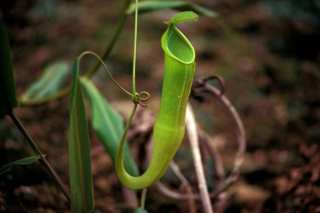
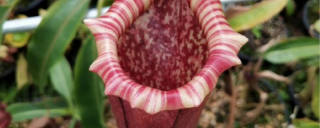
You might be wondering about feeding us. This is the most fascinating part of our relationship! Our pitcher leaves are sophisticated traps. We produce nectar on our lids and lips to attract insects. Once an insect slips on our slippery peristome (the lip of the pitcher), it falls into our tubular trap, which contains rainwater and digestive enzymes. We slowly break down the insect to absorb the nitrogen and other nutrients that are absent from our soil.
Please, do not feed us hamburger, chicken, or fertilizer. Our systems are designed for insects. If you are growing us outdoors, we will catch all the food we need. If we are indoors, you can occasionally drop a small, live insect like a fly or ant into a pitcher, but it is not strictly necessary. We can survive on sunlight and water alone, though an occasional bug does help us grow stronger. Never force a pitcher to digest more than it can handle.
To keep us healthy long-term, you must respect our natural cycle. We grow vigorously from spring through fall, producing new pitchers. As autumn arrives and days shorten, our growth will slow. We are preparing for our essential winter dormancy. This is not us dying; it is a period of rest, much like a tree losing its leaves. We need a cold period of 3-4 months where temperatures are between 32°F and 50°F (0°C and 10°C).
If you live in a climate with cold winters (USDA zones 7-8 and below), you can leave us outside. Our pitchers may turn brown and die back—this is normal. Simply trim them off. If your winters are too harsh or you grow us in a very cold region, you can protect us in an unheated garage or cold frame. Without this chilly rest, we will become exhausted and perish within a few years. Dormancy is our way of recharging for another spectacular season of growth.