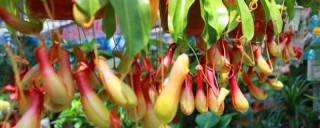
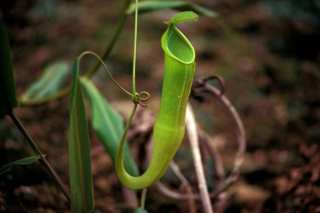
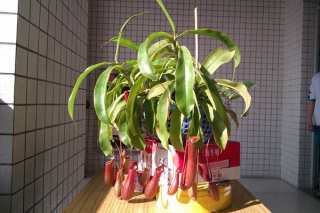
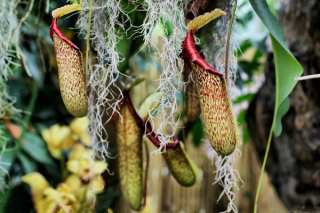
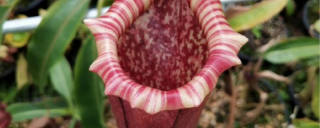
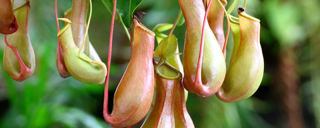
Unlike most plants that rely primarily on their root systems to absorb nutrients from the soil, pitcher plants (genera like Nepenthes, Sarracenia, and others) have evolved a remarkable carnivorous strategy. Their modified leaves form intricate pitfall traps, or pitchers, designed to attract, capture, and digest small insects and other prey. This adaptation allows them to thrive in nutrient-poor environments, such as bogs and tropical rainforests, where the soil lacks essential elements like nitrogen and phosphorus. From the plant's perspective, the pitcher is not just a passive container; it is a sophisticated, external stomach. The plant secretes its own digestive enzymes and may rely on symbiotic bacteria to break down prey, absorbing the resulting nutrients directly through the pitcher's walls. This specialized system is finely tuned and highly sensitive to its environment, particularly the quality of the water that fills the pitcher.
When mineral-rich water, such as tap water, distilled water with added minerals, or even some filtered waters, is used to hydrate a pitcher plant, it introduces substances like calcium, magnesium, chlorine, and fluoride into the pitcher's fluid. From the plant's point of view, these minerals are not food; they are contaminants that disrupt the delicate internal environment of its digestive organ. The plant's secretory cells, which produce digestive enzymes, are adapted to function in a specific ionic balance. An influx of external minerals can alter the pH and osmotic pressure within the pitcher, potentially denaturing the delicate enzymes and rendering them ineffective. Imagine pouring a strong salt solution into your own stomach; the digestive process would be severely impaired. For the pitcher plant, this means its ability to liquefy and absorb nutrients from its prey is compromised, leading to malnutrition.
The danger of mineralized water extends beyond the pitcher to the plant's limited root system. While pitcher plants are not heavy root feeders, their roots are responsible for water uptake and minimal nutrient absorption. They are exceptionally adapted to the acidic, mineral-deficient soils of their natural habitats. When mineral-rich water is applied to the soil, two primary issues arise. First, certain minerals, like calcium, can rapidly accumulate and raise the soil pH, making it alkaline. This creates a toxic environment for the roots, inhibiting their function and leading to root burn, which manifests as browning, stunted growth, and eventual plant decline. Second, the high concentration of dissolved solids in the water creates an osmotic imbalance. Water molecules will have a harder time moving from the soil into the root cells because the soil solution has a higher solute concentration than the plant's internal fluids. This causes osmotic stress, effectively dehydrating the plant even when the soil is moist.
If forced to consistently draw water containing minerals through its roots or have its pitchers filled with such water, the pitcher plant enters a state of chronic stress. Its primary nutrient acquisition system—the pitchers—becomes dysfunctional. Prey may rot instead of digest, leading to bacterial infections and pitcher rot. Simultaneously, its root system is being poisoned and starved of water. The plant must expend immense energy trying to correct these internal imbalances, energy that would otherwise be used for growth and producing new pitchers. The visible signs are a gradual yellowing of leaves, the death of individual pitchers, a complete halt in new pitcher production, and an overall weakened state that makes the plant susceptible to pests and diseases. Ultimately, the plant is slowly starved and poisoned, a direct consequence of an environment that contradicts its fundamental evolutionary adaptations.