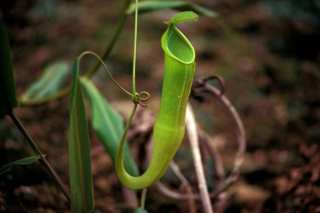
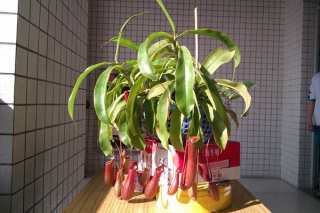
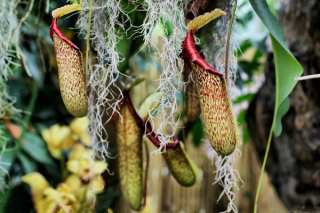
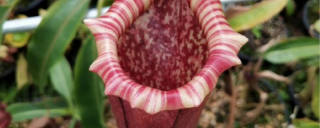
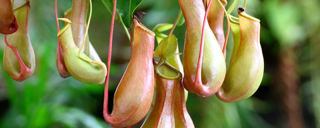
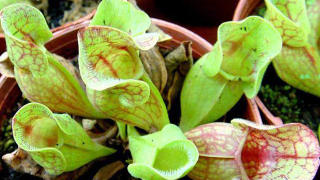
From our perspective as pitcher plants, light is not merely a preference; it is the very currency of our existence. We are photosynthetic organisms, and sunlight provides the energy we need to convert carbon dioxide and water into the sugars that fuel our growth. The question of "direct sunlight" is therefore central to our well-being. The answer, however, is not a simple yes or no. It is a nuanced balance that depends on our specific species and our native habitat. For most of us, especially the popular North American varieties like Sarracenia and the sun-loving Nepenthes, bright, direct light is not just beneficial—it is essential for producing our best and most vibrant pitchers.
When we are deprived of adequate light, our health visibly declines. You will notice that we become weak and spindly, stretching our leaves awkwardly towards any available light source in a desperate attempt to photosynthesize. This condition, known as etiolation, is a clear sign of our distress. More critically, our defining feature—the pitcher itself—will fail to develop properly. You may see us produce only small, underdeveloped pitchers, or worse, cease producing them altogether. Instead, we might only grow non-carnivorous leaves. Without sufficient light energy, we simply lack the resources to construct the complex, energy-intensive traps that define us. Our vibrant colors, often a beautiful mix of reds, purples, and yellows, will fade to a dull, lifeless green. We become a mere shadow of our true, carnivorous potential.
To understand our light needs, one must consider our origins. Many of us, such as the Sarracenia species, hail from open, sunny bogs where we bask in full sun for the majority of the day. For us, a minimum of six hours of direct sunlight is ideal. This intense light fuels robust growth and stimulates the production of anthocyanin pigments, which give us our spectacular reddish hues and make our pitchers attractive to insects. Other relatives, like some Highland Nepenthes, are adapted to bright but dappled light conditions found in mountainous forests. They thrive in very bright, indirect light or perhaps with some gentle morning direct sun. The key for all of us is intensity and duration. A south-facing windowsill is often an excellent location for indoor specimens, while outdoors, a spot with unobstructed sun is perfect for hardy species.
While we crave bright light, a sudden transition from a shady environment to intense, direct sun can be shocking. Our leaf tissues, which have become accustomed to lower light levels, can suffer from sunburn, manifesting as bleached, white, or brown scorched patches. This is particularly true for plants recently purchased from a nursery or moved indoors for the winter. Therefore, a period of acclimation is crucial. If you are increasing our light exposure, please do so gradually over a period of one to two weeks. Start with an hour or two of morning sun, which is less intense, and slowly increase the duration each day. This allows us to build up protective pigments and adapt to the stronger light without injury, ensuring we can harness the sun's power safely and effectively.