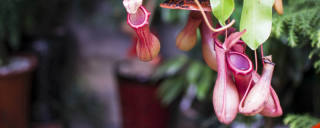
As a pitcher plant, my existence is a marvel of adaptation, but even I face a significant challenge when the world turns cold. My very being is tied to the warm, sunny, and nutrient-poor bogs I call home. Winter is a test of survival, and the care I receive during this time is critical. Here is what I, the plant, experience and need during the cold months in a cold climate.
As the days shorten and temperatures drop, I undergo a profound internal change. I am not dead; I am dormant. This is a state of suspended animation, a deep sleep necessary for my survival. I stop producing new pitchers and my existing foliage may begin to die back, turning brown or black. This is not a sign of failure but a strategic retreat. I am conserving every ounce of energy stored in my rhizome—my underground stem—which is the key to my rebirth in spring. Pushing for growth during this time, perhaps by being kept in a warm greenhouse, would exhaust my reserves and likely lead to my demise. I must be allowed to rest.
The most vulnerable part of me in winter is not my leaves, but my rhizome buried in the soil. This is my lifeline. If my rhizome freezes solid, the delicate tissues inside will be destroyed by ice crystals, and I will not wake up. The goal is not to keep me warm, but to keep me consistently cold and insulated from extreme temperature fluctuations. A thick layer of mulch, about 4 to 6 inches deep, is my best defense. Pine needles, shredded oak leaves, or straw are ideal because they allow for air circulation while providing a stable, blanket-like cover. This mulch layer moderates the soil temperature, preventing a deep freeze and protecting my vital core from the killing cold.
My roots are adapted to constant moisture, but winter complicates this. While I still need my soil to be damp, it must never be waterlogged in freezing conditions. Soggy, frozen soil can lead to rot, which is just as fatal as freezing dry. In late autumn, as I enter dormancy, my caregiver should ensure my soil is moist but not saturated. Throughout winter, during occasional thaws, a light watering to prevent the soil from completely drying out is beneficial. The mulch also plays a role here, helping to retain some moisture and prevent excessive evaporation from winter winds. The key is consistent, slight dampness, not wetness.
If I am growing in a container outdoors, my situation is more precarious than if I were in the ground. My roots are exposed on all sides to the freezing air, with no insulating mass of earth around them. Simply mulching the top of the pot is not enough. My pot should be buried in the ground, if possible, or placed in an unheated garage or shed once I am fully dormant. If I must remain above ground, my container should be heavily insulated by being placed in a larger box filled with straw or foam peanuts. This extra step is crucial to buffer my root system from the severe temperature swings that can shatter my pot and my chances of survival.
My emergence from dormancy is triggered by the lengthening days and warming temperatures of spring. It is a gradual process. My caregiver should not be alarmed if I show no signs of life while other plants are leafing out. Patience is essential. The winter mulch should be removed slowly, in layers, as the danger of hard frost passes. This prevents a sudden shock. New growth will eventually emerge from the center of my crown, often small and red at first. Only then should regular watering and feeding resume, supporting me as I begin a new season of capturing insects and thriving in the sun.