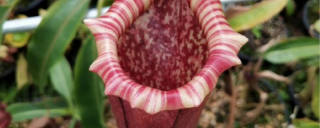
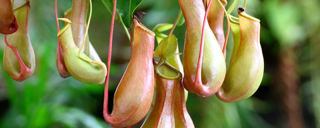
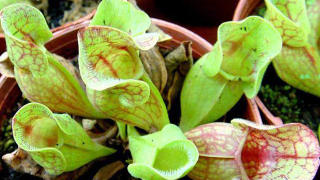
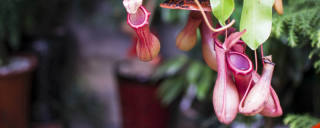
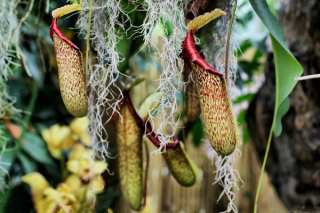
From my point of view, as a pitcher plant, the question of whether you can "feed" me is a complex one. I am not a passive potted plant that simply absorbs nutrients from the soil. I am a sophisticated predator, evolved to hunt in an environment where the soil is nutrient-poor. My pitcher is not a decorative vase; it is a deadly trap, a stomach, and a digestive organ all in one. I have developed this incredible mechanism to supplement my diet with the nitrogen and other nutrients found in insects. So, while I appreciate your desire to help, the act of feeding must be done with an understanding of my natural processes. It is a collaboration, not just a chore.
If you wish to assist me, there are ways to do so that respect my biology. The primary goal is to provide prey that mimics what I would catch naturally.
Do Offer Small, Soft-Bodied Insects: The ideal meal for me is a recently deceased or live insect that is small enough to fit comfortably within my pitcher. Think fruit flies, gnats, small spiders, or crickets no larger than a third of my pitcher's size. These soft-bodied prey items are easy for me to break down with my digestive enzymes.
Do Ensure the Insect is Free of Pesticides: My system is sensitive. An insect that has been exposed to insecticides or other chemicals can poison me, damaging my delicate pitcher tissues and halting my digestive functions. Always source insects from a safe environment, like those cultured for reptile food.
Do Focus on Providing Optimal Growing Conditions: The best "food" you can give me is not a direct meal, but the right environment to thrive. This means plenty of bright, indirect sunlight, pure water like rainwater or distilled water to keep my soil moist, and high humidity. When I am healthy and strong, I am perfectly capable of attracting and catching my own prey.
Many well-intentioned actions can actually cause me significant harm. Please avoid these common mistakes.
Don't Feed Me Human Food: This is a critical rule. My digestive enzymes are specifically designed to break down chitin and insect proteins. I cannot process hamburger meat, bits of hot dog, cheese, or any other human food. These items will simply rot inside my pitcher, creating a bacterial soup that will lead to rot and the death of that pitcher. It is a sure way to kill me.
Don't Overfeed Me: I am adapted to a lean diet. Catching one insect every few weeks is often sufficient. If you drop multiple large insects into my pitchers every day, you will overwhelm my digestive capacity. The pitcher will turn black and die from the stress. Think of it as force-feeding; it is not a kindness.
Don't Force Insects Into My Pitchers: Be gentle. My pitcher has a slippery rim (peristome) and often downward-pointing hairs that guide prey to their doom. Forcing an insect in can damage this delicate structure. If an insect doesn't want to go in, it's better to not feed it to me at that time.
Don't Pour Water or Liquids Into My Pitchers: I produce my own perfect blend of digestive fluids. Adding tap water, which contains minerals, or any other liquid, will dilute my enzymes and disrupt the pH balance, making digestion inefficient and promoting bacterial growth. The only exception is if my pitcher is dry due to low humidity; in that case, you can add a small amount of distilled or rainwater to just cover the bottom.