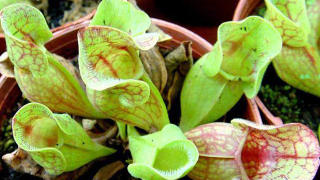
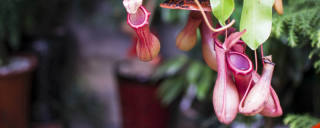
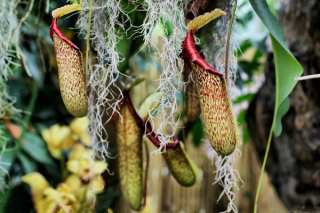
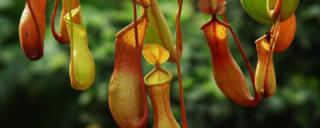
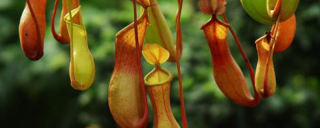
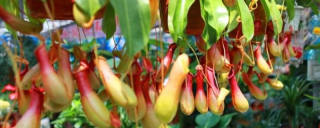
While both Nepenthes (Tropical Pitcher Plants) and Sarracenia (North American Pitcher Plants) are carnivorous plants that have evolved pitcher-shaped traps to capture prey, their care requirements differ significantly. These differences stem directly from their distinct evolutionary histories and native habitats. Understanding these origins is the key to providing them with the correct care.
From a plant's perspective, the most fundamental difference lies in our native climates. We, the Sarracenia, are temperate plants. Our roots are in the open, sunny bogs and wetlands of North America, where we experience distinct seasons, including a cold winter dormancy. This period of cold is not just something we tolerate; it is a vital part of our life cycle, a necessary rest period that prepares us for vigorous growth in the spring. Deny us this dormancy, and we will weaken and eventually perish.
In contrast, we Nepenthes are tropical plants. We hail from the humid jungles of Southeast Asia, living as both ground-dwelling plants and epiphytes clinging to trees. Our world is one of steady, warm temperatures and consistently high humidity year-round. The concept of winter dormancy is foreign to us; we are adapted for continuous, albeit sometimes slower, growth. Exposing us to freezing temperatures is fatal.
Our relationship with the sun is another major point of divergence. We Sarracenia are sun worshippers. In our native bog habitats, we thrive in full, direct sunlight for the majority of the day. This intense light is crucial for us to produce our best coloration and develop strong, robust pitchers. It fuels the photosynthesis that powers our growth.
We Nepenthes, however, have a more nuanced relationship with light. As jungle plants, we are often adapted to dappled sunlight filtered through a forest canopy. While many of us need very bright light, most species cannot tolerate the same intensity of direct, midday sun that Sarracenia relish. Too much direct sun can scorch our leaves and inhibit pitcher formation. We generally prefer bright, indirect light or gentle morning sun.
Water is life for all carnivorous plants, but the type and method of watering are critical. For us Sarracenia, the rule is simple: we are bog plants. Our feet should always be wet. We require mineral-free water (rainwater, distilled, or reverse osmosis) standing in our saucers at all times. We are perfectly happy with our roots sitting in water, mimicking the perpetually moist conditions of our home.
For us Nepenthes, the approach is different. While we also demand pure, low-mineral water and consistent moisture, we generally abhor having our roots sit in a waterlogged state for prolonged periods. We prefer a well-aerated, acidic medium that is kept evenly moist but not soggy. More importantly, as tropical plants, we have a high demand for atmospheric humidity. Low humidity is a primary reason we, especially highland species, fail to produce our characteristic pitchers. The air around us must feel like a jungle morning.
The seasonal cycle is the final, critical distinction. When winter approaches, we Sarracenia signal that it is time to rest. Our pitchers may die back, and we may retreat into a small, dormant rhizome (our underground stem). During this time, we require less light (though some is still beneficial) and must be kept cooler, just above freezing. The soil should be kept only slightly moist, not wet. This dormancy is our way of surviving the cold.
We Nepenthes know no such cycle. Our care remains consistent throughout the year. We need warm temperatures and high humidity in all seasons. While our growth may slow during the shorter, cooler days of a temperate winter, we do not undergo a true dormancy. Our care—watering, humidity, and temperature—must be maintained consistently to keep us healthy.