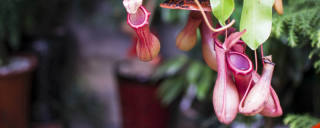
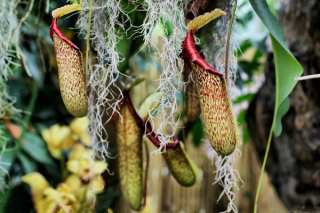
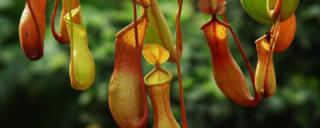
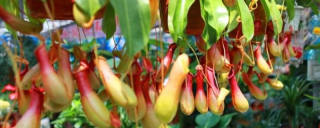
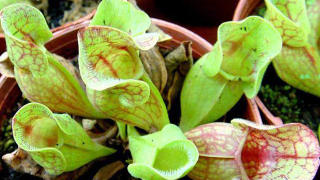
Before seeking a purchase, it is crucial to understand the primary types of pitcher plants available in the horticultural trade. The term "pitcher plant" refers to several genera that have independently evolved similar pitfall trap mechanisms. The two most common families are the Old World pitcher plants (Genus: Nepenthes) and the North American pitcher plants (Genus: Sarracenia). Nepenthes are tropical, often vine-like plants that produce hanging pitchers with a distinct lid. They are typically grown as houseplants or in terrariums. In contrast, Sarracenia are temperate plants native to the southeastern United States. They are cold-hardy, require a distinct winter dormancy period, and thrive in full sun outdoors in bog gardens. Knowing this distinction is the first step to finding an authentic plant suited to your growing conditions.
For the well-being of both the plants and their wild populations, acquiring pitcher plants from ethical sources is paramount. Wild populations of many Sarracenia species are threatened by habitat loss and poaching. An authentic pitcher plant is one that has been propagated in cultivation, not collected from the wild. Reputable nurseries specialize in tissue culture or seed propagation, producing robust, healthy plants that are acclimated to life in a pot or garden. These nurseries also provide accurate species or hybrid identification, ensuring you know exactly what you are growing. Purchasing from big-box stores can be risky, as the plants are often mislabeled, improperly cared for, and may even be treated with pesticides harmful to the carnivorous feeding mechanism.
The most reliable places to buy authentic pitcher plants are nurseries that specialize in carnivorous plants. These businesses are run by enthusiasts and experts who understand the specific needs of these unique organisms.
For Sarracenia and other North American species, excellent mail-order nurseries include California Carnivores, which offers a wide variety of species and hybrids, and FlytrapStore.com, known for its quality and affordability. PetFlyTrap.com is another reputable online source with a large selection. For Nepenthes, retailers like Redleaf Exotics and Predatory Plants focus on a diverse range of tropical species and hybrids, from beginner-friendly to rare collector's items. Many of these nurseries sell their plants as bare-root rhizomes or in small pots, which is a normal and healthy way to ship them. They also provide detailed care instructions tailored to each genus.
When your new pitcher plant arrives, its health and successful acclimation depend on replicating its natural environment. For Sarracenia, this means planting it in a mix of pure sphagnum peat moss and perlite (with no fertilizers or additives) and placing it in a location that receives at least 6 hours of direct sunlight daily. They must always be sitting in a saucer of distilled water, rainwater, or reverse-osmosis water to mimic their bog habitat. Nepenthes require a well-draining but moisture-retentive medium like long-fiber sphagnum moss and perlite. They prefer bright, indirect light, high humidity, and consistent moisture without sitting in water. It is common for pitcher plants to undergo some stress and pitcher loss after shipping; this is normal. With proper care, the plant will soon produce new growth adapted to your specific conditions.