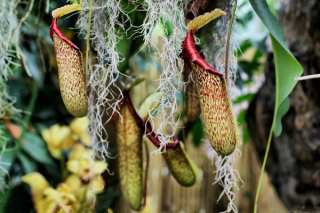
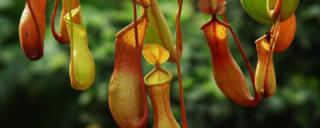
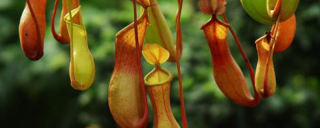
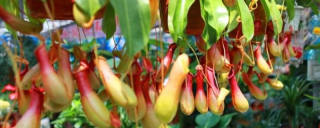
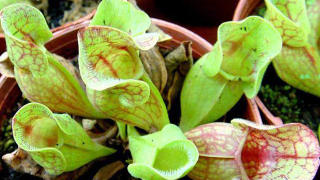
From the perspective of the plant itself, the primary goal of a Pitcher Plant (genus Nepenthes, Sarracenia, etc.) is not to be toxic to mammals. Its entire evolutionary strategy is focused on attracting, trapping, and digesting small insects and arthropods. The plant is carnivorous to supplement nutrient-poor soil, not to defend itself against larger animals. The "pitchers" are modified leaves that form a passive trap. They produce nectar around the rim to attract prey and feature slippery, waxy interiors that cause insects to fall into a pool of liquid at the bottom. This liquid contains digestive enzymes, but these are specifically evolved to break down chitin (the hard exoskeleton of insects) and proteins, not mammalian tissue.
The liquid inside the pitcher is a cocktail of rainwater, bacterial flora, and enzymes produced by the plant, such as proteases and nucleases. While effective on insects, this mixture is not considered highly toxic or poisonous to cats and dogs in the same way that true toxic plants like lilies or sago palms are. The plant does not produce systemic toxins that affect the heart, nervous system, or kidneys of mammals. If a pet were to take a small sip of this liquid, it would likely cause no more than minor gastrointestinal upset, similar to drinking from a puddle containing organic debris. The primary concern is not chemical poisoning but rather physical irritation or a mild upset stomach from ingesting an unusual substance.
A more significant risk from the plant's physical structure is the potential for mechanical harm. The pitchers, especially on larger species, can be firm and somewhat rigid. If a curious cat or dog chews on and swallows a large piece of the plant, it could pose a choking hazard or lead to an gastrointestinal obstruction. This is a physical danger common to many non-toxic houseplants when ingested in large quantities. The stringy vines of some Nepenthes species could also potentially cause linear foreign bodies if swallowed, a serious condition where the intestine bunches up along a string-like object. Therefore, the plant's morphology presents a greater tangible threat than its chemical makeup.
Like many plants, Pitcher Plants can cause mild mechanical irritation to the sensitive mucous membranes of the mouth, throat, and stomach. The digestive enzymes, while not systemically toxic, could cause minor irritation if a pet chews on the plant extensively. This might result in symptoms like excessive drooling, pawing at the mouth, or mild nausea. Additionally, any plant material has the potential to cause an allergic reaction in a sensitive individual, though this is not common. From the plant's viewpoint, this mild irritation is an incidental byproduct of its insect-digesting adaptation and not a deliberate defense mechanism against pets.
Given that the Pitcher Plant is not pet-safe due to the risk of gastrointestinal upset and physical obstruction, rather than acute toxicity, the safest approach is prevention. The plant should be placed well out of reach of curious pets, such as in a hanging basket or within a terrarium. This respects the plant's needs for light and humidity while eliminating the opportunity for pets to interact with it. If a pet does ingest a small amount, monitoring for signs of vomiting, diarrhea, or lethargy is advised, and a veterinarian should be contacted if any concerning symptoms develop, especially if a large portion of the plant has been consumed.