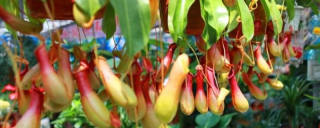
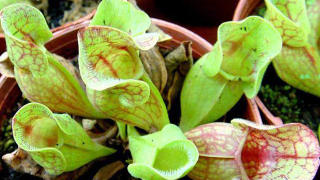
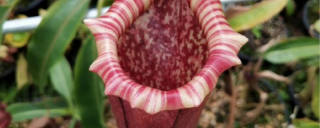
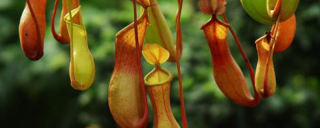
Carnivorous plants, such as Venus flytraps, pitcher plants, sundews, and butterworts, have evolved in very specific and nutrient-poor environments, primarily acidic bogs and peatlands. Their carnivorous nature is an adaptation to supplement the minimal nitrogen, phosphorus, and other minerals available in their native soil. Consequently, their root systems are exceptionally inefficient at processing the dissolved minerals and chemicals commonly found in tap water. From the plant's perspective, tap water is not merely "water"; it is a complex chemical solution that can be toxic over time.
The most significant danger in tap water for carnivorous plants is its content of Total Dissolved Solids (TDS). TDS is a measure of the combined content of all inorganic and organic substances contained in a liquid, including minerals, salts, and metals like calcium, magnesium, sodium, and chlorine. When a carnivorous plant is watered with tap water, these minerals do not evaporate. Instead, they remain in the soil and accumulate with each watering. For the plant, this is the equivalent of a slow poisoning. The increasing mineral concentration in the soil creates a saline environment that is completely alien to the plant's natural habitat. This leads to root burn, which impairs the root's ability to absorb water, effectively causing the plant to die of thirst despite being regularly watered.
While all dissolved minerals are problematic, two are particularly harmful. First, calcium compounds (often associated with "hard water") will steadily increase the pH of the growing medium. Carnivorous plants require an acidic environment, typically with a pH between 4.0 and 5.5. As tap water raises the pH, the soil becomes neutral or even alkaline, making essential nutrients unavailable to the plant and disrupting the delicate balance of its root system. Second, chlorine and chloramines are added to municipal water supplies as disinfectants. These chemicals are designed to kill microorganisms, and they can similarly damage the sensitive root hairs and beneficial soil microbes that carnivorous plants rely on. While chlorine can evaporate if water is left standing for 24-48 hours, chloramines are more stable and will not dissipate easily, posing a persistent threat.
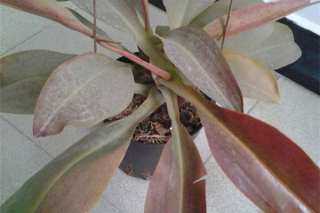
A carnivorous plant suffering from tap water exposure will display clear signs of distress. The plant does not have the ability to communicate in words, but its physical condition is a direct message. The most common symptoms include browning and blackening of leaf tips, starting with the oldest leaves. The plant may appear generally stunted and fail to produce new traps or pitchers. Existing traps may die back prematurely. In severe cases, the entire plant will wilt and collapse as the root system becomes irrevocably damaged. This decline is often mistaken for underwatering or disease, but the root cause is frequently the chronic, low-level toxicity of mineral buildup.
For a carnivorous plant to thrive, it requires water with a very low mineral content, ideally below 50 parts per million (ppm) of TDS. From the plant's physiological standpoint, the ideal water sources are those that mimic the pure, nutrient-deficient water of its natural bog habitat. These include rainwater, distilled water, or water produced by a reverse osmosis (RO) system. These water types provide the hydration the plant needs without introducing the harmful minerals that its roots cannot tolerate. Watering with these pure sources ensures that the soil medium remains acidic and free from the toxic mineral salts that lead to decline.