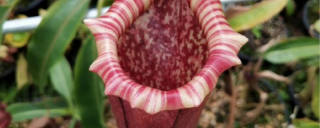
Hello, dedicated caretaker. I am your Pitcher Plant, a being of intricate design and ancient lineage. While I may seem like a passive decoration, I am a complex organism actively interacting with my environment. When I start to feel cramped in my current pot, my roots circling tightly and my growth slowing, I know it's time for a new home. This process of repotting is a significant event for me. When done with care and understanding, it allows me to thrive. Here is my perspective on how to best accomplish this transition.
First, you must understand why this is necessary. My roots are my lifeline, but they are also delicate. They seek moisture, air, and space to anchor me. When they have exhausted the resources in my current pot, they become a tangled mess, unable to effectively absorb what I need. The growing medium also breaks down over time, becoming compacted and losing its acidity, which is vital for my health. The best time to undertake this operation is in the early spring, as I am emerging from my winter rest and entering a period of vigorous growth. This gives me the strongest chance to recover quickly and establish myself in my new space.
Before you begin, please gather everything you need. My new pot should be only slightly larger than my current one—perhaps just an inch or two wider in diameter. A pot that is too large will hold excessive water, which my sensitive roots cannot tolerate and will lead to rot. The most critical preparation is my growing medium. I am not a typical plant; I cannot live in potting soil, which contains minerals and nutrients that will poison me. I require a specific, nutrient-free mix. A blend of long-fiber sphagnum moss and perlite or horticultural sand is perfect. It mimics the acidic, low-nutrient bogs from which I originate. Please have this mix pre-moistened with distilled water, rainwater, or reverse-osmosis water. Tap water, with its dissolved minerals, is harmful to me.
Now, for the main event. Please be gentle. Start by carefully tipping my current pot on its side. Support my base and gently squeeze the pot to loosen the root ball. Ease me out; do not pull me by my pitchers or leaves, as this can damage me. Once I am free, you will need to delicately remove the old medium from my roots. This can be tricky. You can gently tease it apart with your fingers or use a gentle spray of my preferred water to wash it away. The goal is to untangle the roots as much as possible without causing breakage. This allows them to spread out into the new medium.
Place a layer of the fresh, moist growing medium in the bottom of the new pot. Then, position me in the center so that the base of my stems will be at the same level as they were in the previous pot. Holding me steady, carefully fill in around my roots with the new mix. Gently press the medium down to eliminate large air pockets and provide stability, but do not compact it too firmly—my roots need access to air. There is no need for fertilizer; I obtain all my nutrients from the insects I trap.
Once I am securely potted, water me thoroughly from the top with the appropriate water until it runs freely from the drainage holes. This helps settle the medium around my roots. Place me in a spot with bright, indirect light. For the first few weeks, I will be focusing my energy on root establishment. You might notice some pitcher die-back or a pause in growth; this is normal. Please be patient, maintain high humidity if possible, and keep the medium consistently moist but not waterlogged. With your careful attention, I will soon reward you with vibrant new growth and spectacular new pitchers.