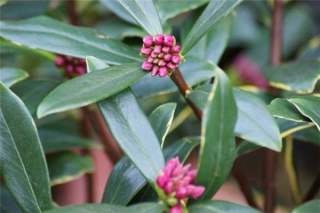
As a Daphne, I am a beautiful but notoriously finicky plant. To understand how to fertilize me, you must first understand my nature. I am a woodland shrub at heart, thriving in conditions that mimic the forest floor. This means I prefer my roots to be in cool, moist, humus-rich, and well-draining soil that is slightly acidic. My root system is surprisingly delicate and sensitive, easily damaged by harsh chemicals or excessive salts. Therefore, the mantra for feeding me should always be "less is more." Over-fertilization is a far greater threat to my health than under-fertilization. It can lead to root burn, leaf scorch, and can even be fatal. My primary need is not for a massive amount of nutrients, but for a consistent, gentle supply that supports my steady growth and, most importantly, my legendary fragrant flowering.
When selecting a fertilizer for me, the nutrient ratio is crucial. I do not respond well to high-nitrogen fertilizers, which encourage an excess of weak, leafy growth at the expense of my flowers. This soft growth is also more susceptible to pests and diseases. Instead, I thrive on a balanced or slightly phosphorus-prominent fertilizer. Look for a formula with an N-P-K ratio close to 12-12-12 or 10-14-10. The phosphorus (the middle number) is vital for promoting strong root development and prolific blooming. Furthermore, because I am an acid-loving plant, a fertilizer formulated for rhododendrons, azaleas, or camellias is perfect. These often contain minor elements like iron and sulfur that help maintain the soil acidity I crave, ensuring I can properly absorb the nutrients you provide.
My feeding schedule is simple and aligns with my natural growth cycles. I only need to be fertilized twice a year. The first and most important feeding is in early spring, just as you notice my new flower buds beginning to swell and my new leaf buds start to break. This application provides the energy I need to support the massive effort of flowering and putting on a flush of new spring growth. The second feeding should occur in late spring or early summer, after I have finished my main flowering period. This helps me recover from blooming and supports healthy root and foliage development throughout the summer. It is critical that you do not fertilize me in late summer or fall. Fertilizing at this time would stimulate new, tender growth that would not have time to harden off before winter, making it highly vulnerable to frost damage.
The method of application is as important as the fertilizer itself. Before you apply any fertilizer, always ensure my soil is moist. Applying fertilizer to dry soil can immediately shock and burn my delicate roots. Dilute the fertilizer according to the package directions, but consider using a slightly weaker solution than recommended—perhaps half or three-quarters strength—as a precaution against over-feeding. Gently apply the diluted fertilizer to the soil around my base, starting a few inches away from my main stem and extending out to the "drip line" (the area directly under the outer circumference of my branches). Avoid getting any fertilizer on my leaves or stems. After application, water me lightly again to help carry the nutrients down into the root zone. An excellent alternative to chemical fertilizers is a top-dressing of well-rotted compost or leaf mold in the spring. This acts as a gentle, slow-release fertilizer and also helps maintain the moist, cool, acidic soil conditions I love.