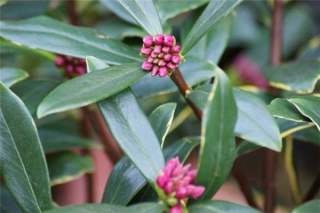
Daphne shrubs, prized for their intensely fragrant flowers, have a reputation for being somewhat finicky. Their success is heavily dependent on establishing a strong, healthy root system, which is why planting time is critical. The goal is to allow the plant to focus its energy on root development before it must face the stresses of summer heat or winter cold.
For most regions of the USA, the absolute best time to plant Daphne is in the early fall. Planting at this time takes advantage of the plant's natural growth cycle. The soil is still warm from the summer sun, which encourages new root growth. However, the air temperatures have cooled, reducing the stress of heat and excessive moisture loss from the leaves (transpiration). This allows the plant to dedicate its resources almost entirely to establishing its root system in its new location. It can settle in comfortably during the fall and be well-prepared for a vigorous burst of growth the following spring. In warmer climates (USDA zones 8-9), planting can extend through the winter months as long as the ground is not frozen.
If fall planting is not possible, the next best option is early spring, just as the plant is emerging from dormancy but before it puts significant energy into flowering and new leaf production. This should be done as soon as the soil is workable and the threat of a hard freeze has passed. The advantage of spring planting is that the plant can immediately begin growing. The disadvantage is that it must simultaneously establish roots and support top growth, which can be a strain. Furthermore, the plant will be less established and more vulnerable to the heat and drought stress of its first summer, requiring very diligent watering.
Daphne roots are exceptionally sensitive to extremes. Planting during the heat of summer is highly discouraged. High soil temperatures can stress or even cook the delicate, fibrous roots, and the plant will struggle mightily with water uptake, often leading to collapse. Similarly, planting too late in the fall in cold climates (zones 4-5) is risky. If the roots do not have sufficient time to establish and anchor themselves before the ground freezes solid, the plant can be heaved out of the soil by frost or succumb to root damage from the cold.
The specific timing must be adjusted for your local climate. For colder regions (Zones 4-6), where winters are harsh, spring planting is often safer than fall. Aim for a mid to late spring planting after the last frost date to ensure a long enough growing season for establishment. In moderate climates (Zones 7-8), both early fall and early spring are excellent. Fall is often preferred. In warmer climates (Zones 9-10), where summers are intense, fall planting is overwhelmingly the best choice. It gives the plant the entire cool season to establish before facing its most stressful season. Winter is also a viable planting time in these areas.
The fundamental reason for these timing recommendations revolves entirely around the root system. Daphne shrubs despise having their roots disturbed and are prone to transplant shock. They require a well-draining soil that is consistently moist but never waterlogged. Planting during the cool, moist seasons of fall and spring provides the ideal conditions for the roots to grow into the surrounding soil without the added pressures of temperature extremes. A well-established root system is the single most important factor in a Daphne's long-term health and its ability to withstand pests, diseases, and minor environmental stresses.