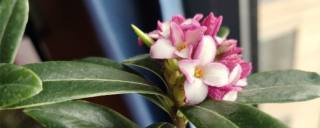
From our perspective as Daphne shrubs, we are prized for our fragrant blooms and glossy foliage, but this very beauty makes us a target for a variety of pests. These invaders disrupt our vital processes, from photosynthesis to nutrient transport, threatening our health and vibrancy. Understanding these adversaries is the first step in maintaining our well-being.
These pests are particularly insidious as they pierce our tender stems and leaves to feed on our sap, which is akin to our lifeblood. This feeding weakens us significantly and can introduce further complications.
Aphids: These small, soft-bodied insects (green, black, or white) are often found clustering on the undersides of our new, succulent leaves and flower buds. As they feed, they excrete a sticky substance called honeydew. This honeydew not only makes our leaves feel unpleasant but also encourages the growth of sooty mold, a black fungus that coats our leaves and blocks sunlight, impairing our ability to photosynthesize.
Spider Mites: Nearly microscopic, these arachnids are a grave threat, especially in hot, dry conditions. They live on the undersides of our leaves, piercing individual cells and causing a characteristic stippling or speckling effect. A severe infestation leads to a bronze or yellow cast across our foliage, and we may produce fine webbing that coats our stems and leaves. Left unchecked, spider mites can cause extensive leaf drop, leaving us weak and vulnerable.
Scale Insects: These pests are masters of disguise. In their adult stage, they appear as small, immobile bumps on our stems and the veins of our leaves. They form a hard or soft protective shell under which they feed relentlessly. Like aphids, they produce honeydew. A heavy scale infestation can cause yellowing leaves, stunted growth, and dieback of our branches.
Our leaves are our primary means of producing energy. Pests that consume our foliage directly compromise our ability to nourish ourselves and grow.
Mealybugs: Identifiable by their white, cottony wax coating, mealybugs congregate in sheltered areas, such as the junctions where leaves meet stems. They suck sap, causing our leaves to yellow, wilt, and drop prematurely. Their presence is often a sign of stress and can lead to a general decline in our vigor.
Caterpillars: The larval stage of various moths and butterflies, caterpillars are chewing pests that can rapidly defoliate sections of our shrub. They create irregular holes in our leaves or can skeletonize them, leaving only the veins behind. While a few caterpillars may not cause lasting harm, a large population can severely damage our canopy.
Perhaps the most dangerous pests are those that attack us at ground level, as their damage is often hidden until it is advanced.
Vine Weevil: The adult weevils are nocturnal beetles that notch the edges of our leaves, which is unsightly but rarely fatal. Their larvae, however, are devastating. These white, C-shaped grubs live in the soil and feed on our root system. This root damage prevents us from taking up water and nutrients, leading to sudden wilting, collapse, and potentially death, especially in younger, more vulnerable shrubs.
Slugs and Snails: These mollusks are most active at night and during damp weather. They rasp large, ragged holes in our leaves, particularly targeting young, tender growth. While they rarely kill an established shrub, their feeding disfigures our foliage and can weaken our overall appearance and health.