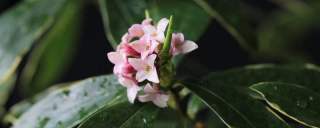
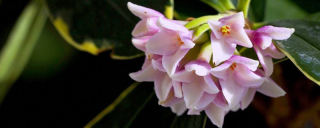
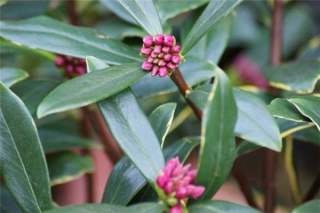
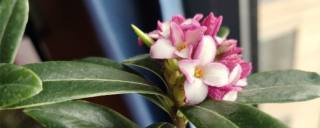
The genus Daphne encompasses a group of approximately 95 species of flowering shrubs, prized in gardens for their fragrant blooms and attractive berries. Common ornamental species include Daphne mezereum (February Daphne) and Daphne odora (Winter Daphne). While these plants add significant aesthetic value to landscapes, they possess a critical and dangerous characteristic from a safety perspective. It is essential for pet owners and parents to understand that all parts of the Daphne plant are considered highly toxic.
The primary toxic compounds found throughout the Daphne plant are a group of chemicals known as mezerein and daphnin, which are present in the bark, sap, leaves, flowers, and especially the brightly colored berries. These compounds are potent irritants and can cause severe reactions upon ingestion. The berries, which can appear deceptively like small fruits to a child or pet, contain the highest concentration of these toxins. The entire plant is dangerous, but the berries pose the most significant risk due to their appealing look and accessibility.
For pets, particularly dogs and cats, the Daphne plant represents a serious poisoning hazard. The small size of pets means that even a minor ingestion can lead to a substantial toxic dose. If a pet chews on any part of the plant, the immediate effects are often related to severe irritation of the mouth, throat, and esophagus. This can manifest as excessive drooling, vomiting, and difficulty swallowing. As the toxins are absorbed systemically, they can lead to more grave consequences, including abdominal pain, diarrhea (which may become bloody), and severe weakness. In significant ingestions, the toxins can cause damage to the liver and kidneys, potentially leading to organ failure, seizures, coma, and even death. Immediate veterinary attention is crucial.
Young children are naturally curious and often explore the world by putting objects in their mouths. The bright red or yellow berries of the Daphne plant can be particularly enticing to a child. Similar to the effects in pets, ingestion causes intense burning and irritation in the mouth and throat, leading to symptoms such as blistering, swelling, nausea, and persistent vomiting. A child may also experience a headache and develop a fever. The small body weight of a child makes them exceptionally vulnerable, meaning consumption of even one or two berries can result in a medical emergency. Swelling in the throat can also pose a risk of airway obstruction.
Beyond ingestion, the Daphne plant poses a contact risk. The sap of the plant can cause significant skin irritation, including redness, rash, and dermatitis in both humans and animals. This is particularly relevant during gardening activities such as pruning or handling cuttings. It is highly advisable to wear gloves when working with or near Daphne plants. Furthermore, the fragrance of the flowers, while pleasant, can be overpowering and may cause headaches or dizziness in some sensitive individuals if inhaled for prolonged periods in an enclosed space.
Given the high toxicity of the Daphne plant, the safest approach for households with pets or young children is to avoid planting it altogether. If the plant is already present or is a desired addition, it must be placed in an area that is completely inaccessible. This could mean a fenced-off section of the garden or a raised planter that neither a climbing child nor a pet can reach. Vigilance is key; regularly check the ground for fallen berries or leaves. Educating all family members, including older children, about the dangers of the plant is a critical step in preventing accidental poisoning.