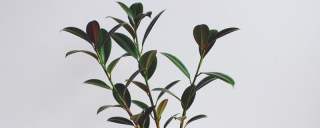
From our perspective as Daphne plants, the single most critical aspect of our soil is its ability to drain water quickly and efficiently. Our root systems are surprisingly fine and sensitive, and they absolutely despise sitting in waterlogged conditions. Soggy soil is a death sentence for us, leading directly to root rot, a fungal disease that chokes off our oxygen supply and decays our roots. Therefore, the ideal soil is not necessarily defined by a specific texture alone, but by its overall structure and porosity. We thrive in a medium that allows water to percolate through freely, leaving our roots moist but never saturated. Think of it as a comfortable, airy home rather than a muddy swamp.
While drainage is paramount, the composition of the soil that provides this drainage is equally important for our long-term health and happiness. We have a strong preference for a loamy soil. Loam is a balanced mixture of sand, silt, and clay, offering the best of all worlds: the sand provides the necessary drainage and aeration, the silt contributes nutrient retention, and a small amount of clay helps hold moisture and minerals. However, pure garden loam can sometimes be too heavy. Therefore, we greatly appreciate it when gardeners amend this base. A perfect recipe for us would be a blend of native loam, a generous amount of coarse sand or fine grit (like poultry grit or perlite) to further enhance drainage, and a significant quantity of organic matter.
The organic matter component is not just a minor addition; it is a vital part of our diet and environment. We benefit immensely from ingredients like well-rotted leaf mold, composted pine bark, or peat moss. These materials do several things for us simultaneously: they help retain a consistent level of moisture (counteracting the drying effect of the sand), they slowly release essential nutrients as they break down, and they contribute to the slightly acidic soil pH we crave. We perform best in a soil with a pH between 5.5 and 6.5. This acidic environment allows our roots to effectively access key nutrients like iron and manganese. The addition of pine bark or oak leaf mold is particularly beneficial as they naturally acidify the soil as they decompose.
Given that the native soil across much of the US may not meet our exacting standards, we are much more likely to flourish when planted in a custom-prepared bed or a large container. A reliable and effective mix that you can create for us would consist of the following parts, by volume: one part high-quality garden loam, one part coarse sand or perlite, and one part organic matter (such as composted pine bark or leaf mold). Before planting, it is wise to mix in a handful of a soil acidifier, like sulfur, especially if your local water is alkaline. This customized environment replicates the well-drained, humus-rich forest floor conditions from which many of our species originate, giving us the best possible start.
Finally, even the most perfectly formulated soil will be of little use if we are planted incorrectly. From our point of view, proper planting is the final step in securing a healthy root environment. We must be placed in the ground at the exact same depth we were growing in our nursery container. Planting us too deep, which buries our crown (the point where the stems meet the roots), is a common mistake that can lead to stem rot and fatal fungal infections. Furthermore, after planting, applying a thick layer of an organic mulch, like wood chips or pine needles, around our base is extremely helpful. This mulch acts as a blanket, keeping our sensitive roots cool in summer, protected in winter, and consistently moist, while also continuing to acidify the soil as it breaks down.