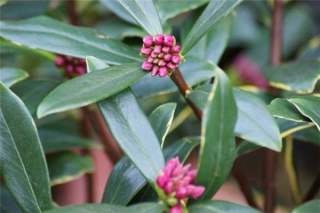
From our perspective as Daphne shrubs, the question of sunlight is not about quantity but about quality. We are not sun-worshipping cacti, nor are we deep-forest mosses that thrive in perpetual shade. Our ideal is the gentle, filtered light found under the canopy of tall, deciduous trees. Imagine the light that reaches the forest floor on a bright summer day – it is bright yet soft, illuminating our leaves without scorching them. This "dappled shade" or "partial shade" condition is our sweet spot. It provides us with the energy we need for photosynthesis to produce food, while protecting our sensitive foliage from the intense, direct rays of the midday sun, which we find quite stressful.
If you place us in a location with too much direct, hot sun, especially in warmer climates, our leaves will tell you we are unhappy. They may develop yellow or brown, crispy edges, a clear sign of sunscald. Our soil will dry out much more quickly, and we are notoriously fussy about our moisture levels – we dislike being either waterlogged or parched. This stress makes us vulnerable and less likely to produce our famously fragrant flowers. Conversely, if we are planted in deep, dense shade, our growth will become leggy and sparse as we stretch weakly towards any available light. Our flower production will be significantly reduced, and the overall plant will lack vigor. It is a delicate balance that is crucial for our health and happiness.
Our sunlight needs are not absolute; they change with your local environment. For those of you in cooler, northern climates with milder summers, we can tolerate, and may even appreciate, a few more hours of direct morning sun. The morning light is less intense and helps dry the dew from our leaves, reducing the risk of fungal diseases. However, we must be protected from the harsh afternoon sun. In hotter, southern regions, we require much more protection. Deep, filtered shade for most of the day is essential for our survival. The season also matters. In spring and autumn, the sun is lower and less intense, so we can handle more direct exposure. But during the peak of summer, we need the most protection.
The perfect home for us is on the north or east side of a structure or a large tree. An eastern exposure is often ideal because it gives us the gentle morning sun we can enjoy, while the building or tree provides shade during the hot afternoon. Planting us under a high-branched tree like an oak or pine is perfect. Their canopy acts as a living sunshade, creating the dappled light pattern we love. When you are choosing a spot, observe how the light moves across your garden throughout the day and across the seasons. Pay attention to where the shadows fall. Our roots are also shallow and sensitive, so we appreciate being planted where our root zone is cool and undisturbed, which is another reason why the shade of a tree is so beneficial – it helps regulate soil temperature.