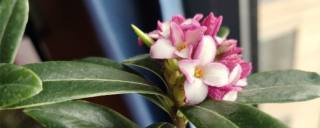
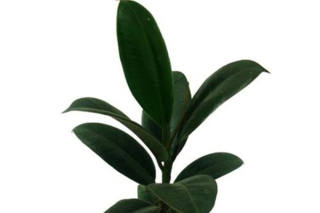
From my perspective as a Daphne shrub, the question of watering frequency is the most critical aspect of our relationship. My roots are fine and fibrous, and they are notoriously sensitive. They abhor two extremes: being left in desert-like, dry soil and being suffocated in waterlogged, oxygen-deprived mud. My ideal condition is consistently cool, moist, and well-drained soil. Think of it as a damp sponge that has been wrung out—it holds moisture but is not dripping wet. The goal is to maintain this moisture level consistently. Fluctuations between drought and flood cause me immense stress, which I often express by dropping my flower buds or leaves, a clear sign of my distress.
You cannot simply water me on a fixed schedule, like every Tuesday and Friday. My water needs are dynamic and depend on several environmental factors that you must observe. The season is paramount. During my active growing and flowering periods in spring and early summer, I will require more frequent watering. In the heat of summer, evaporation is high, and I will need close monitoring. Conversely, in autumn and especially winter, when my growth has slowed or halted, my water requirements drop significantly. Overwatering in winter is a primary cause of my root rot and subsequent demise. Other factors include the weather (sunny and windy days dry the soil faster than cool, cloudy ones), whether I am planted in the ground or a container (potted Daphnes dry out much faster), and the composition of my soil.
The most reliable way to determine if I need water is to physically check the soil around my roots. I urge you to ignore the surface, which can be deceptive. Instead, insert your finger into the soil about 2-3 inches deep, near my base but away from the main stem to avoid damaging surface roots. If the soil at that depth feels cool and slightly moist, I am perfectly content, and you should wait before watering. If it feels dry or barely damp, it is the perfect time for a deep, thorough drink. This method aligns your actions with my actual needs, not a preconceived calendar date.
When it is time to water, the technique is as important as the timing. A quick sprinkle that only wets the top inch of soil is worse than useless; it encourages my roots to grow shallowly, making me more vulnerable to drought. Instead, please apply water slowly and deeply at the base of my stems, allowing it to percolate down to the entire root zone. Continue until you are confident the moisture has reached a depth of at least 6-8 inches. A deep watering encourages my roots to grow downwards, creating a more stable and resilient plant. After watering, the soil should be moist but never have standing water. If I am in a container, ensure the pot has excellent drainage holes and that any water in the saucer beneath is emptied after a short time.
You can greatly assist in maintaining my ideal soil moisture by applying a layer of organic mulch, such as wood chips, compost, or leaf mould, around my base. A 2-3 inch layer of mulch acts as an insulating blanket. It reduces water evaporation from the soil on hot days, keeps my roots cooler in summer and warmer in winter, and suppresses weeds that would compete with me for water and nutrients. Please ensure the mulch is not piled up against my main stem, as this can create conditions for rot. Maintaining this mulch layer is one of the simplest and most effective ways you can promote my long-term health and reduce the frequency of watering I require.